Less is more — defining an office’s carbon legacy

Less is more — defining an office’s carbon legacy

Why MEP Design Is Central to Whole-Life Carbon

By Mark Terndrup — MD (South), Waterman Building Services

Mechanical and electrical strategies have a profound influence on a building’s whole-life carbon performance. While operational carbon from energy use is steadily reducing — driven by all-electric buildings, improved system efficiencies, and an increasingly renewable national grid — this represents only part of the picture.

The more complex and enduring challenge lies in embodied carbon. In office buildings, the selection, maintenance, and replacement of MEP systems have a disproportionate impact on whole-life carbon outcomes, particularly as buildings evolve.

Industry guidance from LETI highlights that MEP services typically account for around 15% of embodied carbon in a new office building, yet have an economic lifespan of only 15–25 years. This mismatch means their true carbon impact is often underestimated. LETI further predicts that maintenance and replacement contribute up to 45% of whole-life embodied carbon, with a significant proportion attributable to MEP systems.
Carbon Locked Into Change

As operational energy continues to fall, embodied carbon from construction, refurbishment, maintenance, and replacement will soon account for nearly two-thirds of a building’s total lifecycle emissions. Crucially, this impact is not solely driven by lifespan. Frequent tenant churn and retrofit cycles result in premature system replacement, extensive strip-outs, and avoidable material waste — often long before systems reach the end of their intended service life.

Fewer Components, Lower Carbon

To better understand these impacts, sustainability specialists studied the embodied carbon associated with a range of air-conditioning strategies, factoring in not only the base system but also the carbon implications of typical CAT—A and CAT—B fit-outs, ongoing maintenance, repair, and replacement.

The findings were clear.

Underfloor air conditioning presents a compelling response to the dual challenge of operational efficiency and whole-life carbon reduction.

Compared with alternatives such as fan coil units or chilled beams, underfloor air conditioning systems install significantly fewer physical components and are more favourable in carbon terms over the building lifecycle.

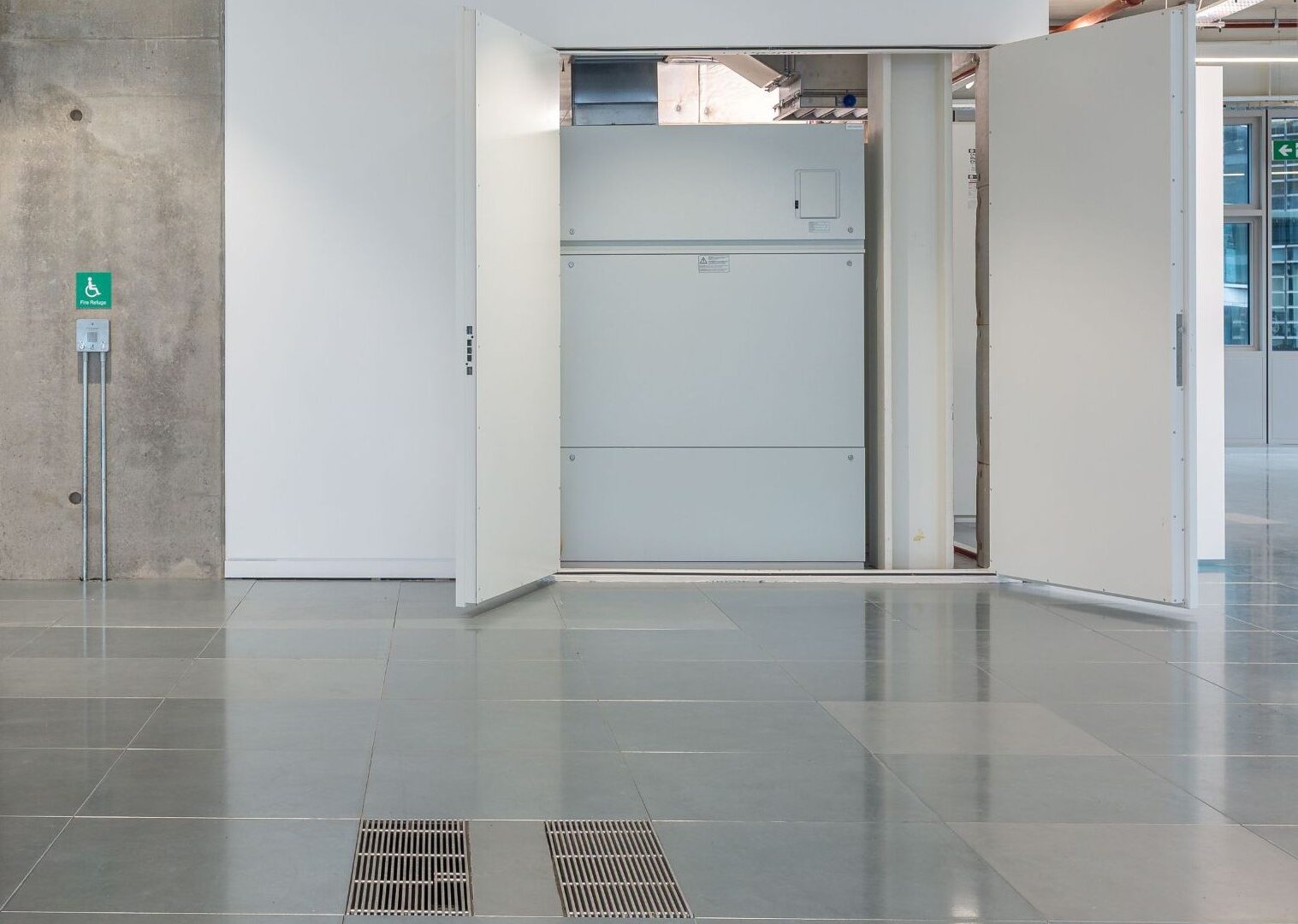
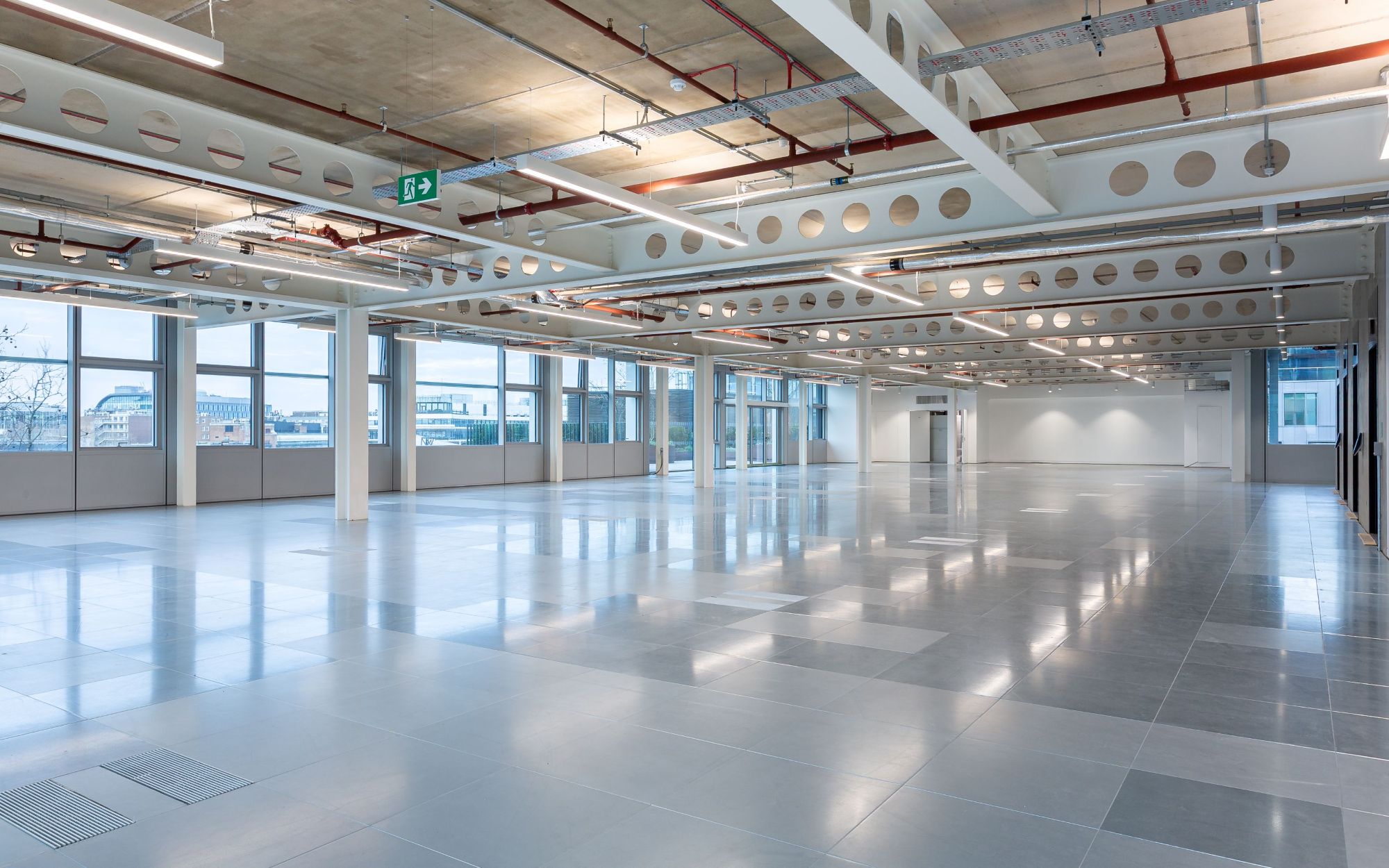
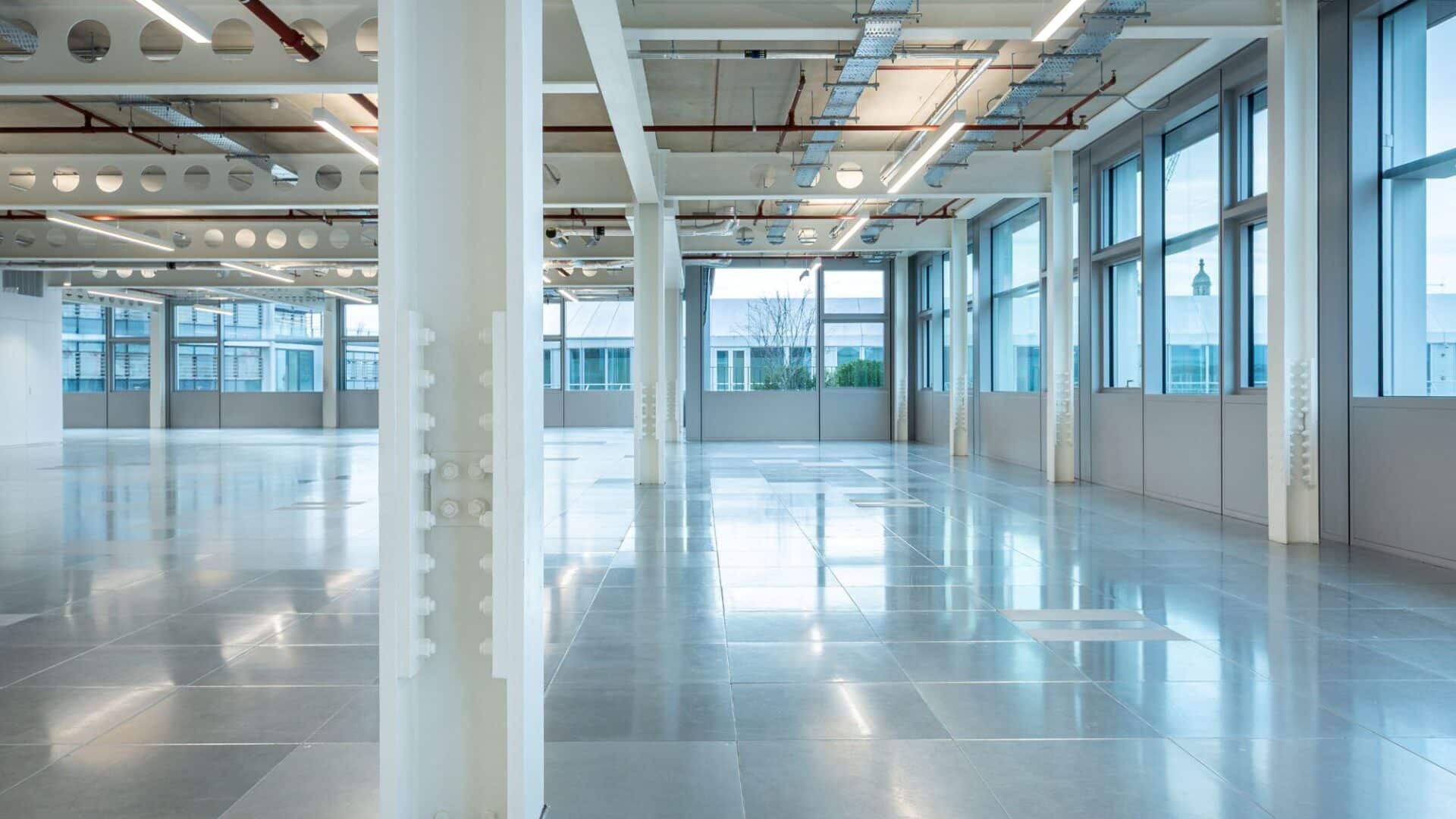
The ‘all-air’ strategy eliminates ceiling-based ductwork and terminal units, instead utilising the raised access floor as a supply plenum with adjustable diffusers that deliver air directly into the occupied zone. This materially reduces system complexity, material intensity, and future replacement requirements.

Flexible Systems, Better Outcomes

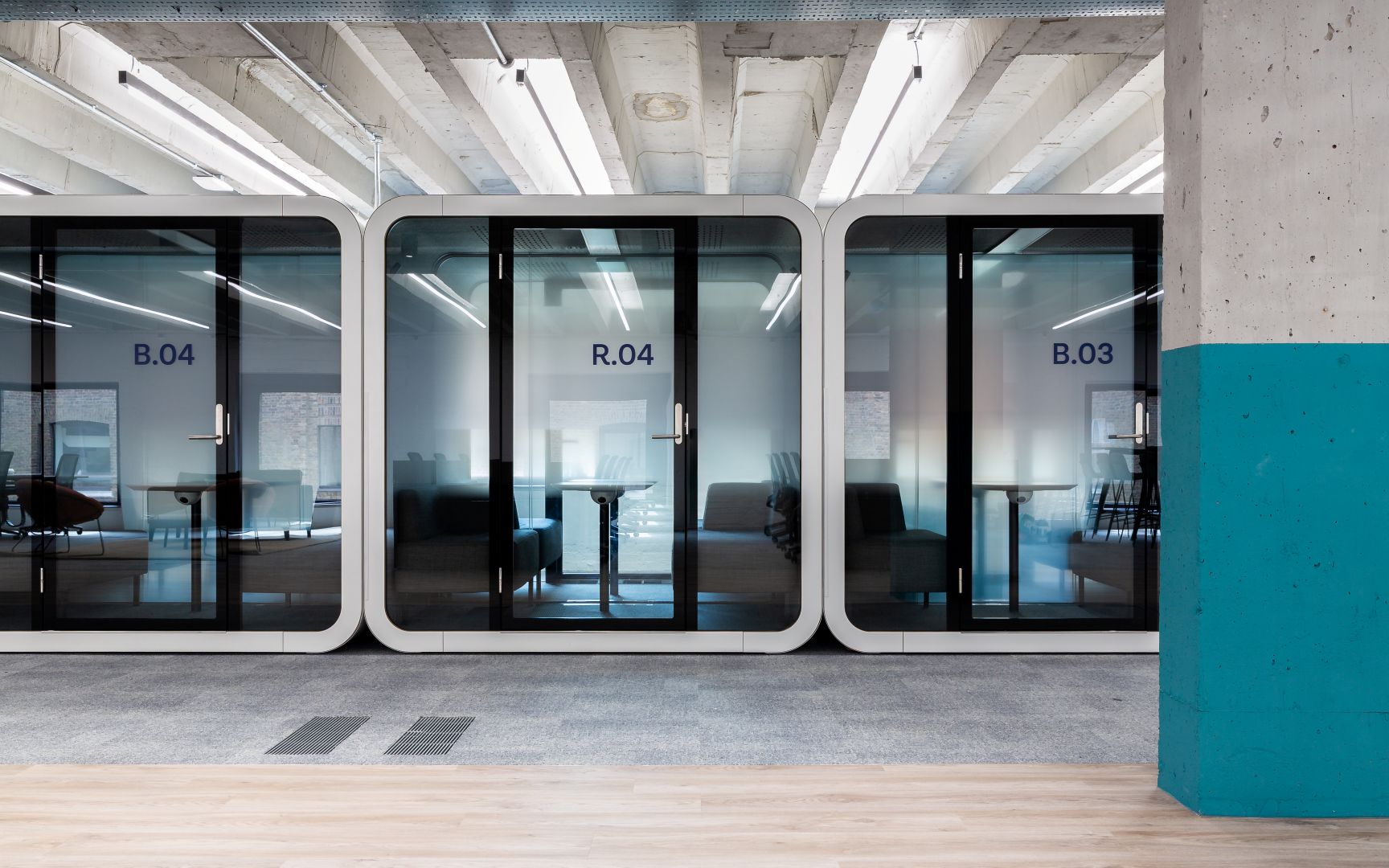
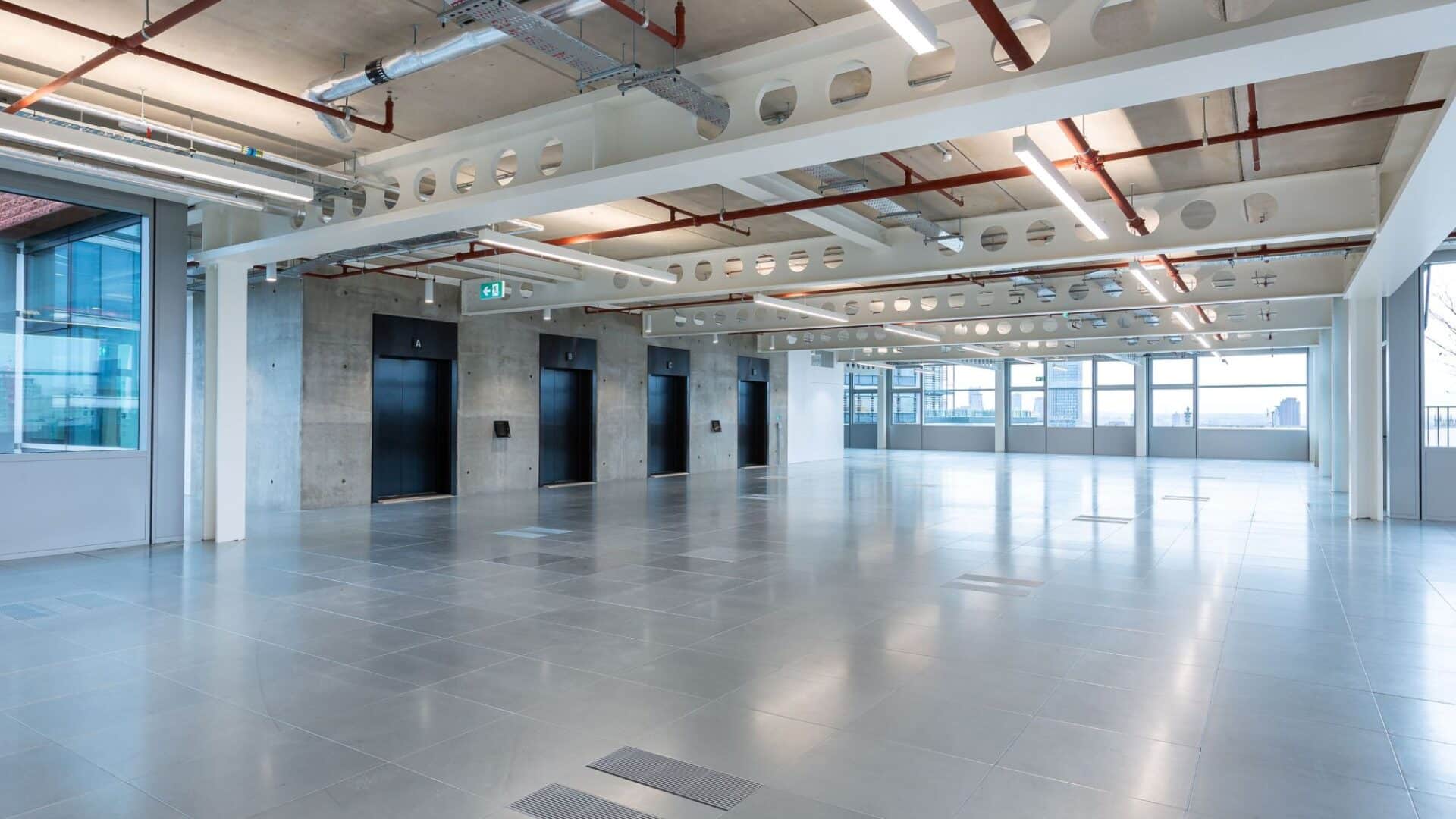
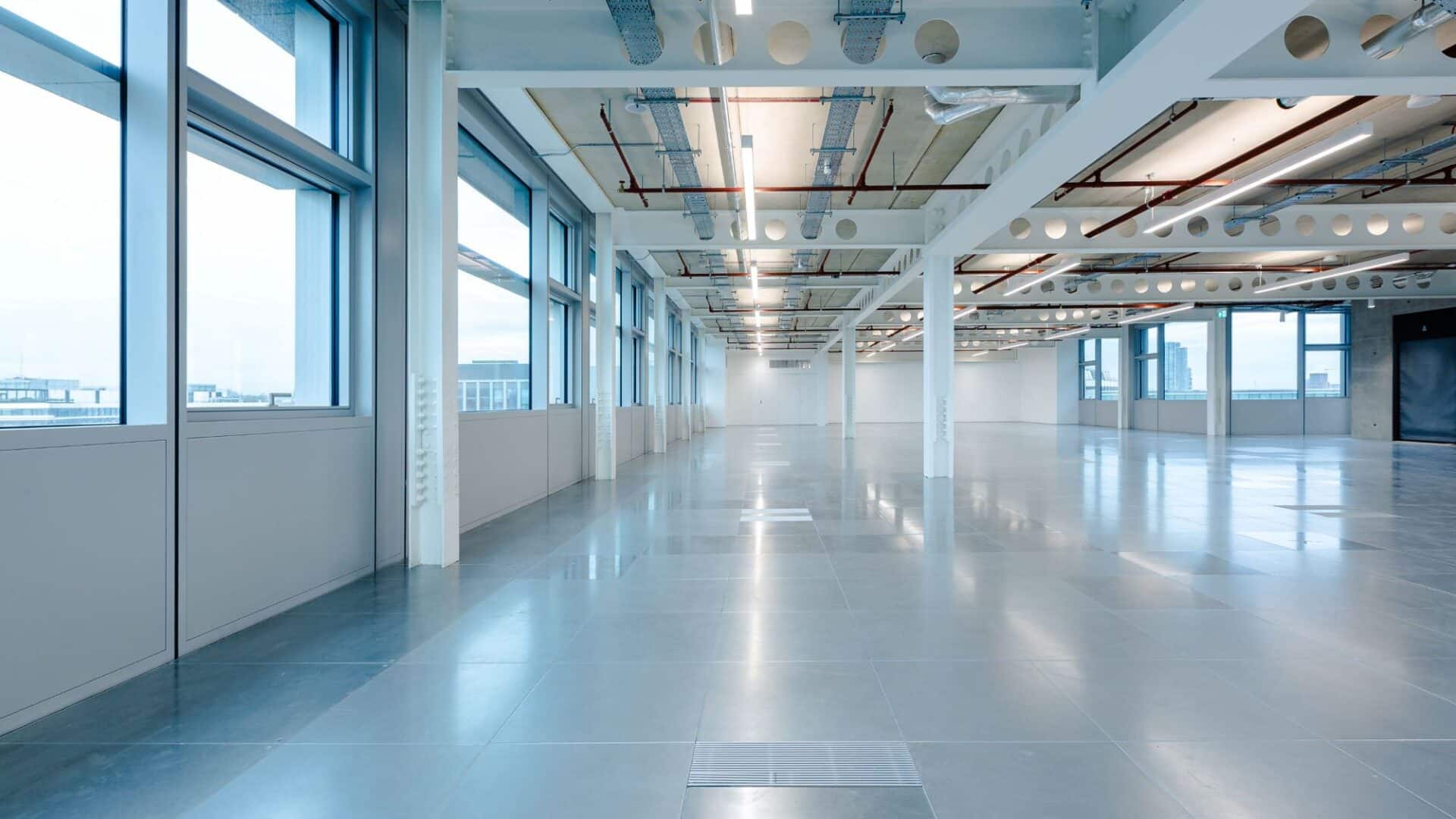
Adaptation for cellularisation or reconfiguration is straightforward, with most changes limited to relocating diffusers, lighting, and detectors. As a result, maintenance demands are reduced, and carbon-intensive equipment replacement is avoided over successive occupation cycles.

The simplicity of the underfloor air distribution system enables it to work effectively as part of mixed-mode solutions that optimise natural ventilation and maximise free cooling. This simplicity can improve user accessibility for control of environmental preferences, supporting both comfort and well-being without compromising efficiency.

System Performance Measured Over the Lifecycle

Project experience indicates that underfloor air conditioning, such as AET Flexible Space’s systems, allows for significant, measurable embodied carbon reduction benefits when assessed through a whole-life lens, in addition to considerable ‘upfront’ reductions, which can be demonstrated at the build stage up to practical completion.

Studies states that the AET underfloor air conditioning can deliver total operational energy savings of 3–19%, alongside up to 18% reductions in upfront carbon through the use of fewer and simpler MEP components. When assessed across the full lifecycle, whole-life embodied carbon savings of 9–16% are achievable, largely due to simplified alteration strategies, reduced retrofit intervention, and fewer carbon-intensive CAT—B fit-out changes, depending on configuration and building context.

Design Efficiency That Adds Long-Term Value

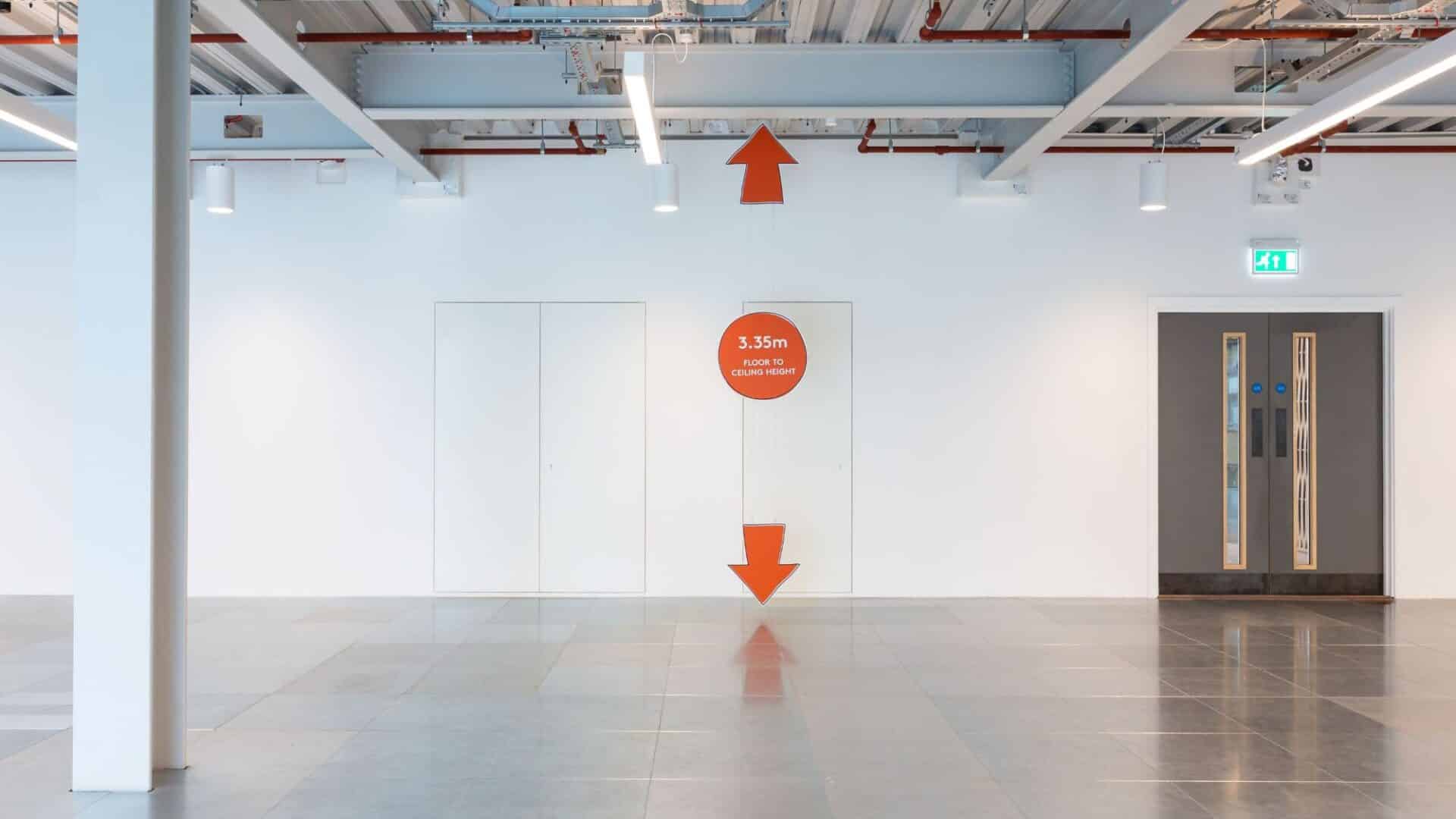
In refurbishment scenarios, reduced service zone depths can unlock valuable headroom, extend the viability of constrained buildings, and improve asset performance. In new developments, slimmer slab-to-slab heights can translate into meaningful structural efficiencies and reduced cladding — in some cases equating to circa £1.7 million in upfront savings on a typical 10-storey office, a 14% reduction in overall building height, or the opportunity to accommodate an additional floor within the same planning envelope.

By relocating services to the floor and adopting modular, reconfigurable components, underfloor air conditioning supports a more resilient approach to building services design — one that reduces waste, limits premature replacement, and performs effectively across decades of use.

Edenica, 100 Fetter Lane: A Built Example

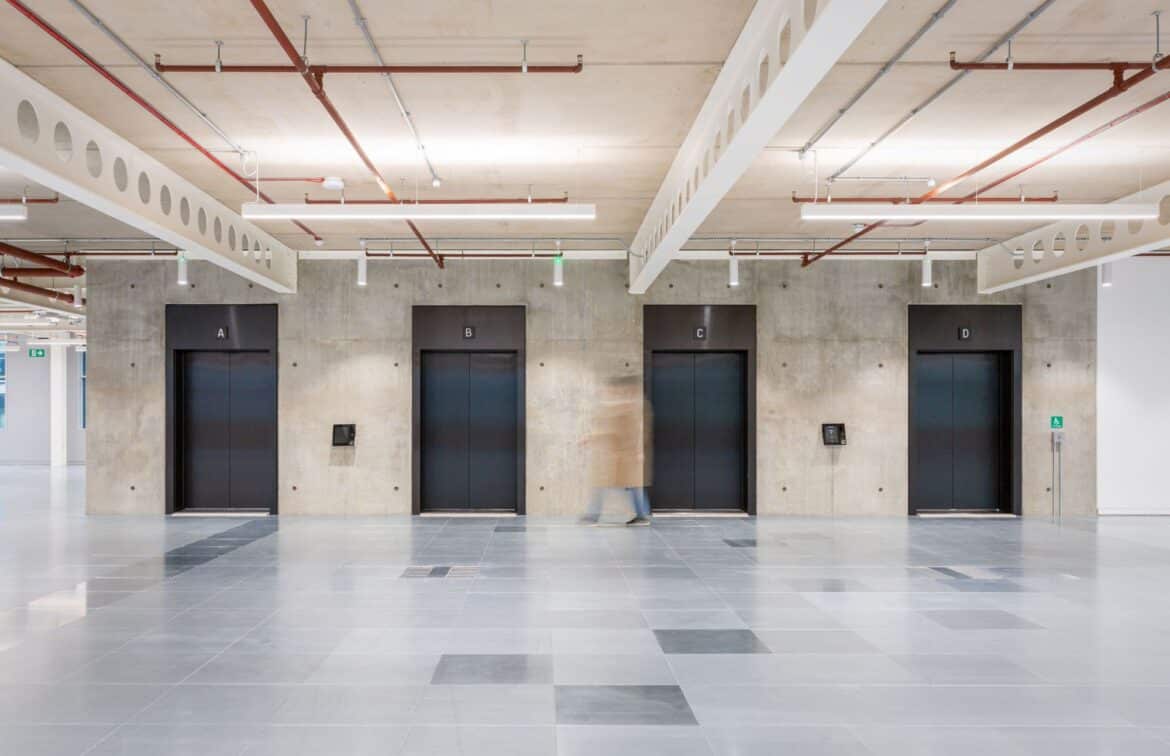
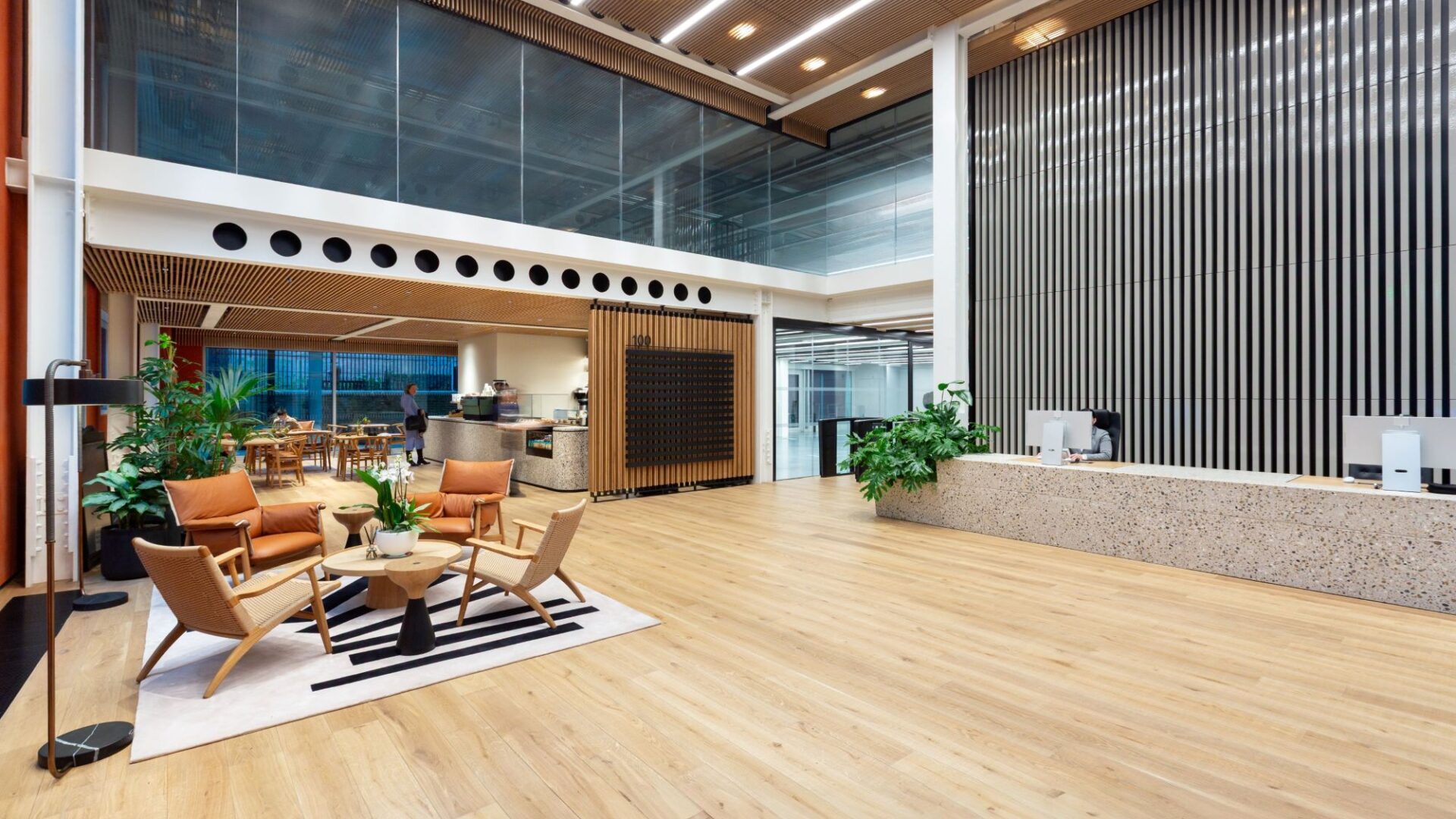
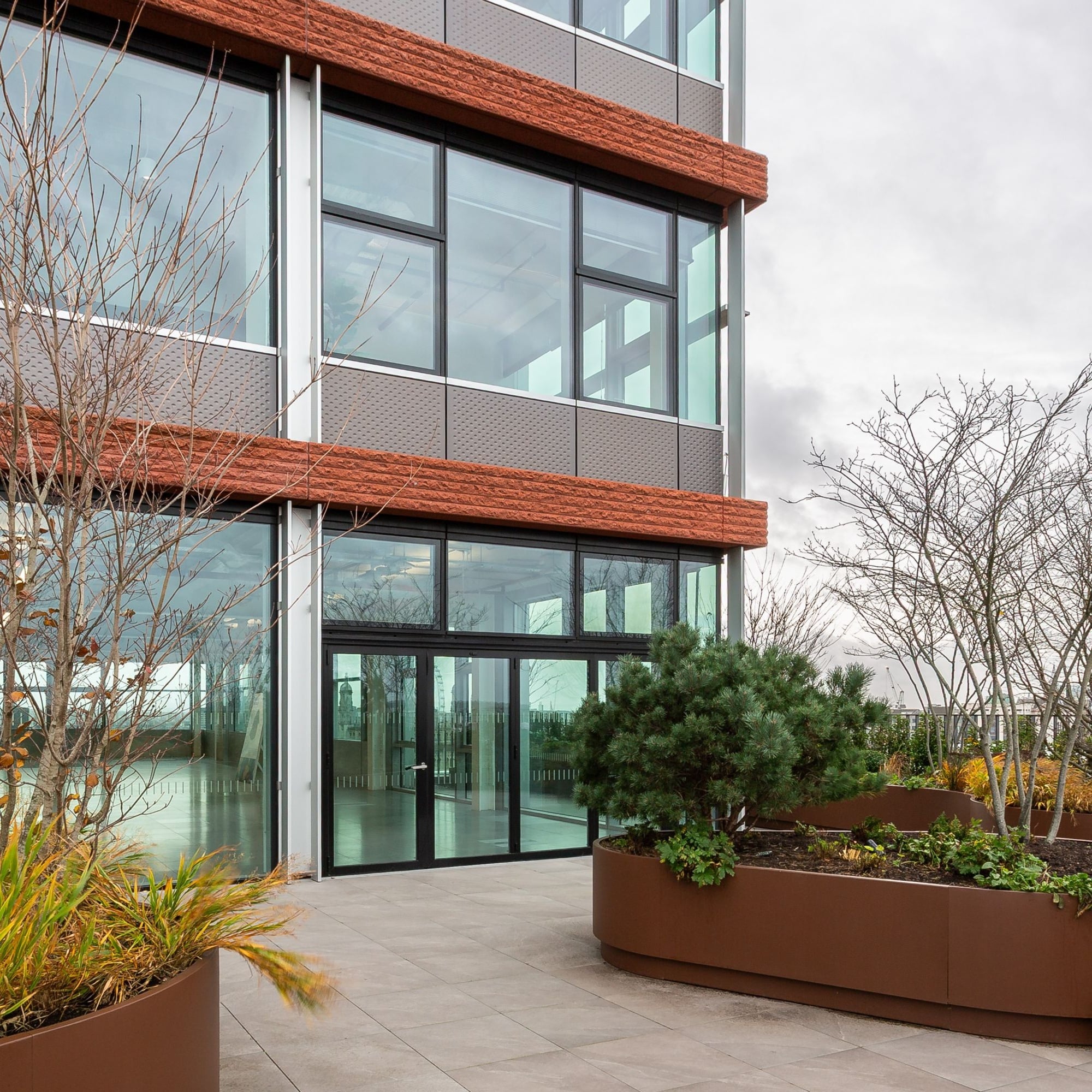
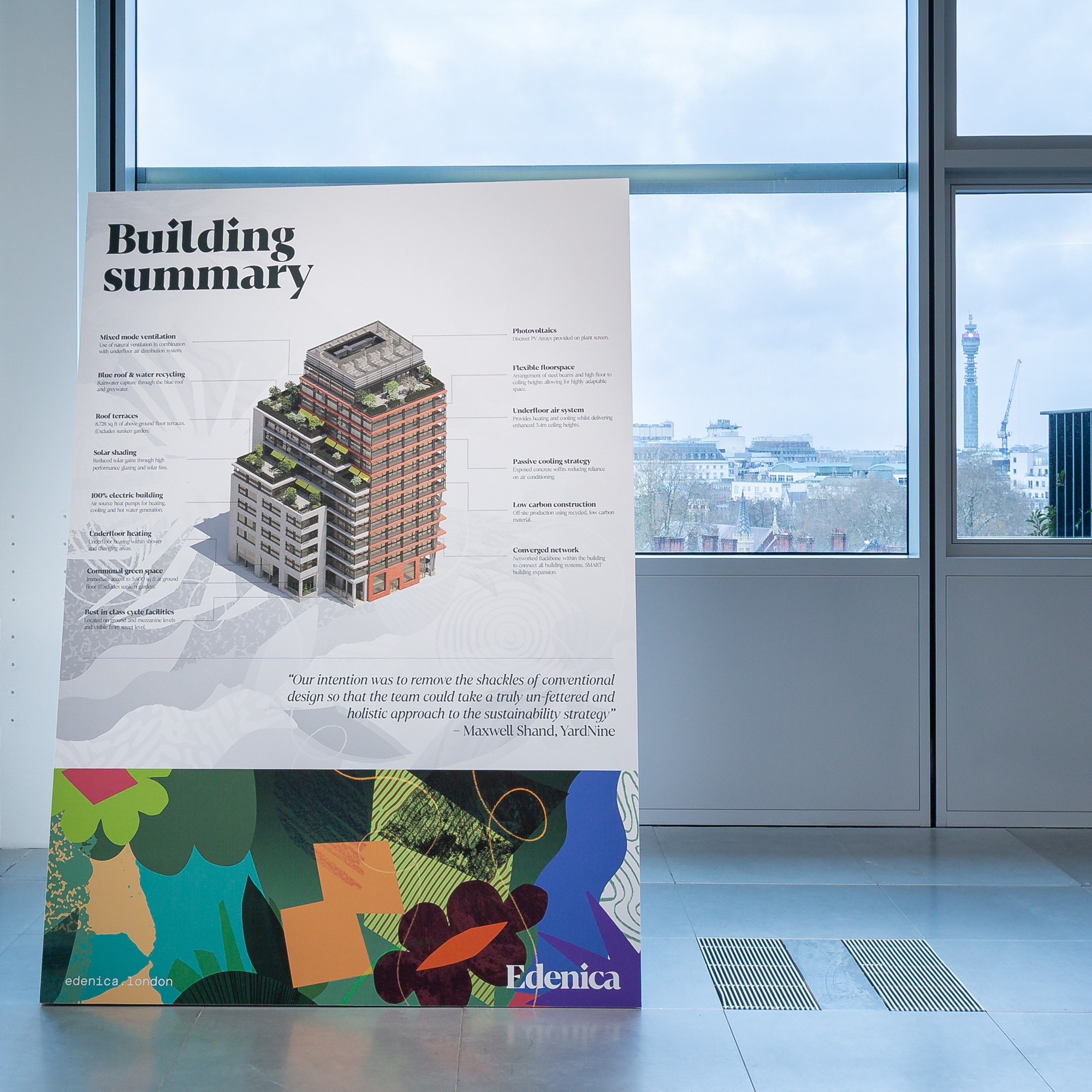
These principles are demonstrated at Edenica, a landmark new City workplace located between Holborn and Fleet Street. Edenica has been designed with longevity, flexibility, and environmental responsibility at its core. The fully electric building uses 30% less energy than current standards and has been designed to operate as a net-zero carbon building. The scheme also introduces the UK’s first standardised approach to materials passports, supporting circularity through responsible material re-use and lifecycle tracking.

The building extends its positive impact beyond its footprint through a new public pocket park, enhancing biodiversity and accessibility. Architectural references to the area’s literary heritage are integrated into the design, blending cultural memory with contemporary urban regeneration.

A Future-Ready Office Building

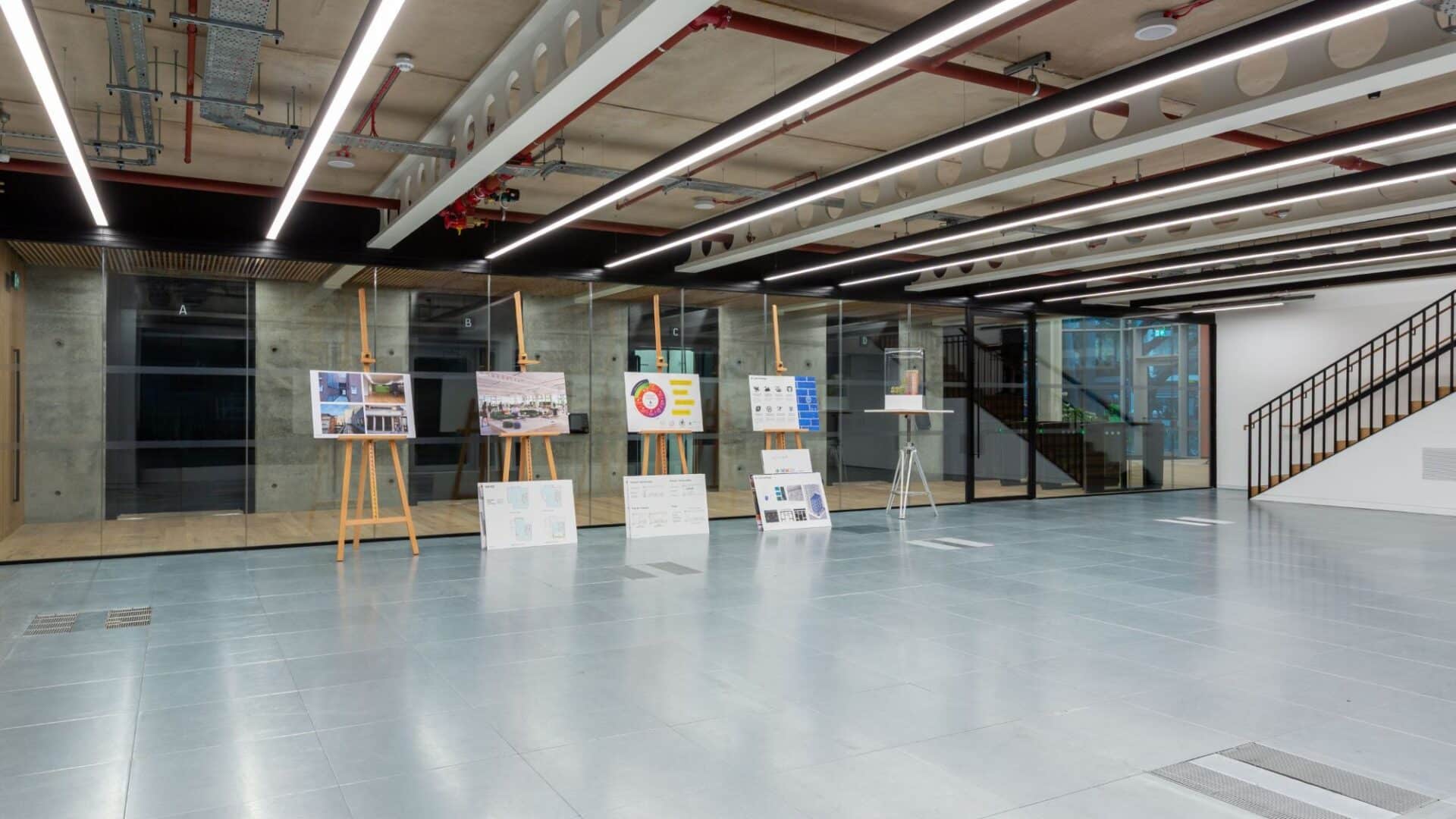
From a fabric perspective, the prefabricated masonry envelope provides passive solar control and natural cooling, with a projected lifespan exceeding 120 years at less than half the embodied carbon of typical cladding systems. Flexible floorplates support low-carbon, CAT—B ready fitouts, while rooftop gardens and planted terraces deliver meaningful amenity and wellbeing benefits.

Edenica achieves an embodied carbon footprint of 561 kgCO₂e/m² and a whole-life carbon footprint of 1,257 kgCO₂e/m², surpassing both GLA and UK Net Zero benchmarks. The scheme is targeting BREEAM Outstanding and has already achieved WiredScore Platinum.

Underfloor Air Distribution in Delivery

To meet Edenica’s demanding sustainability and flexibility criteria, the underfloor air conditioning system plays a central role in delivering adaptable comfort with minimal energy use and zero ceiling-based ductwork, supporting low-impact CAT—B configurations and long-term tenant adaptability. Looking ahead, AET Flexible Space will continue to support the building through future tenant fitouts, reinforcing the value of designing for change rather than replacement.

Looking Forward

As the industry sharpens its focus on whole-life carbon, the question is no longer whether we can afford simpler systems — but whether we can afford not to adopt them. Underfloor air conditioning demonstrates that by prioritising adaptability, restraint, and material efficiency, we can deliver buildings that perform not just today, but across generations.

About the author

Mark is a Board Director for Building Services at Waterman Group Plc and a Chartered Engineer with 28 years’ experience as a Building Services Consultant. A respected team leader, he has led major multidisciplinary projects across London, including Angel Court, the first tower to complete in 2017.

His portfolio includes Fen Court, One Angel Lane, The Avenue, Jersey International Finance Centre, 8 Moorgate, King’s Cross T1 & P1, The Clarges Estate, 6 Bevis Marks, Finsbury Circus House, and 100 Fetter Lane. Mark is a strong advocate for low-energy design, championing the integration of sustainable solutions through a holistic approach to building design. He maintains a hands-on strategic role, with expertise spanning commercial and financial fit-out, refurbishment, new build, and large-scale residential and mixed-use schemes.

Explore the benefits of AET HVAC solutions.