AET takes FOOTPRINT+ Energy stage

AET takes FOOTPRINT+ Energy stage

Two days, one shared mission

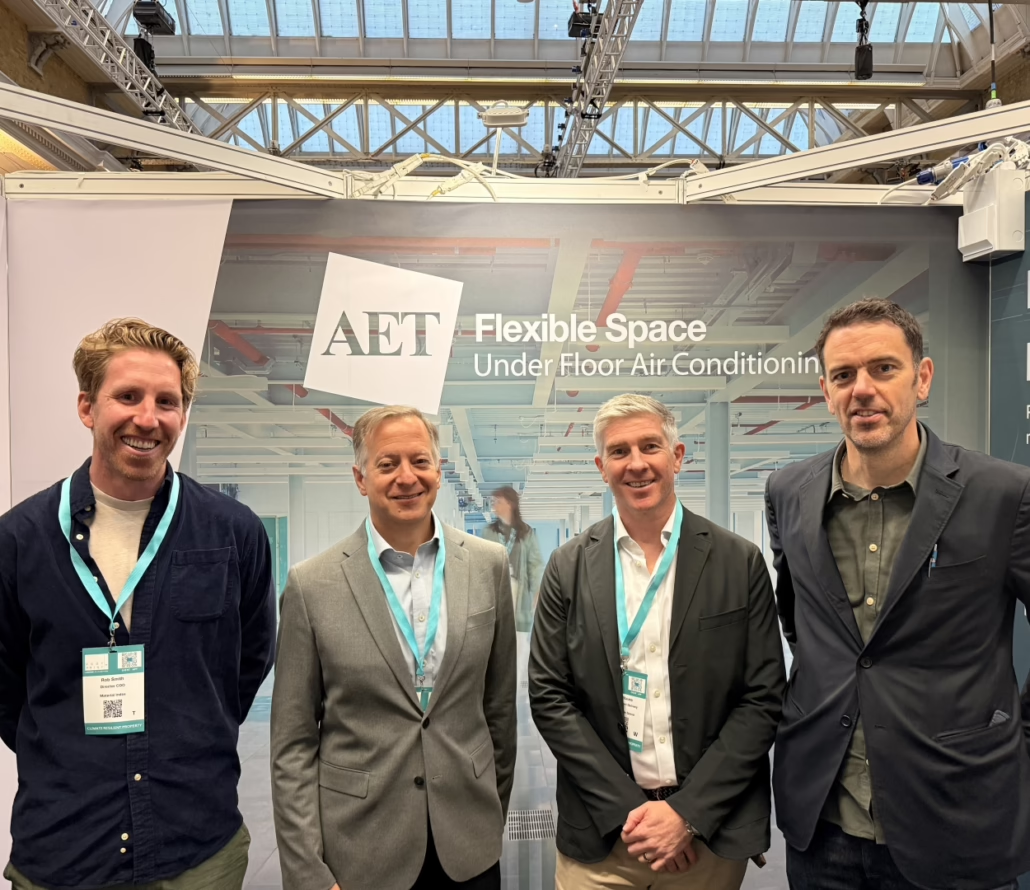
This year, AET has taken FOOTPRINT+ Energy stage with one key objective: to spark meaningful conversations about how more sustainable, efficient and future-ready HVAC strategies can support better buildings.

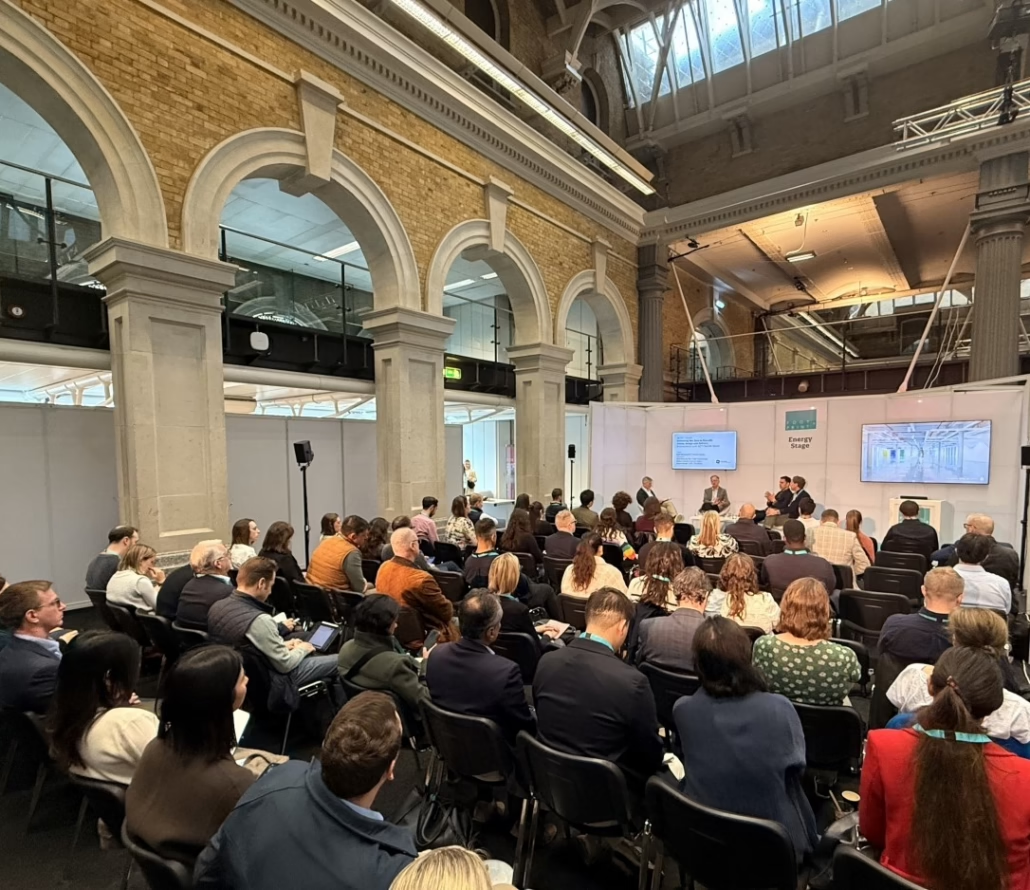
Across two busy days, the AET team welcomed architects, developers, consultants and built environment professionals to explore the growing role building services play in delivering lower-carbon, adaptable and high-performing workplaces.

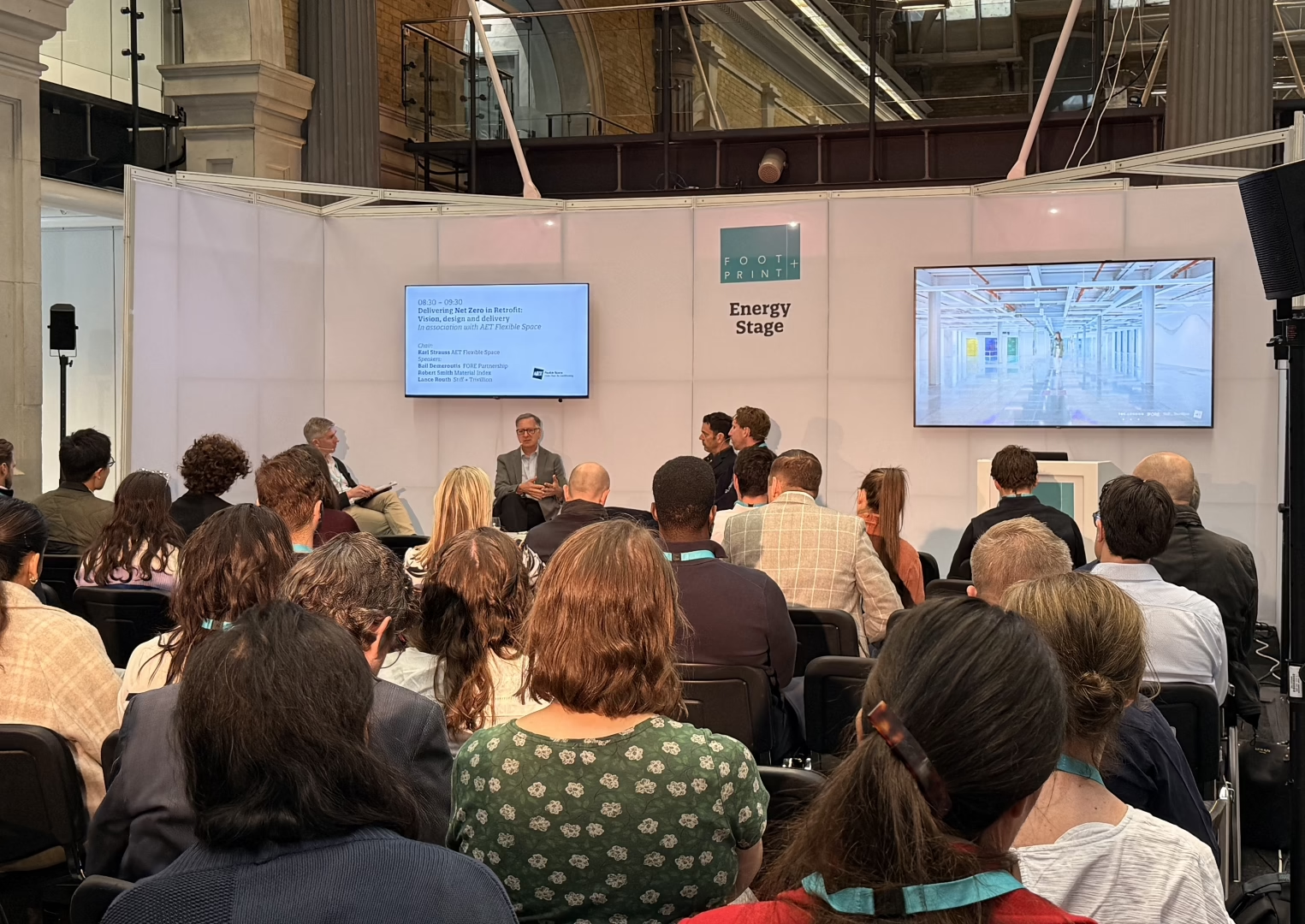
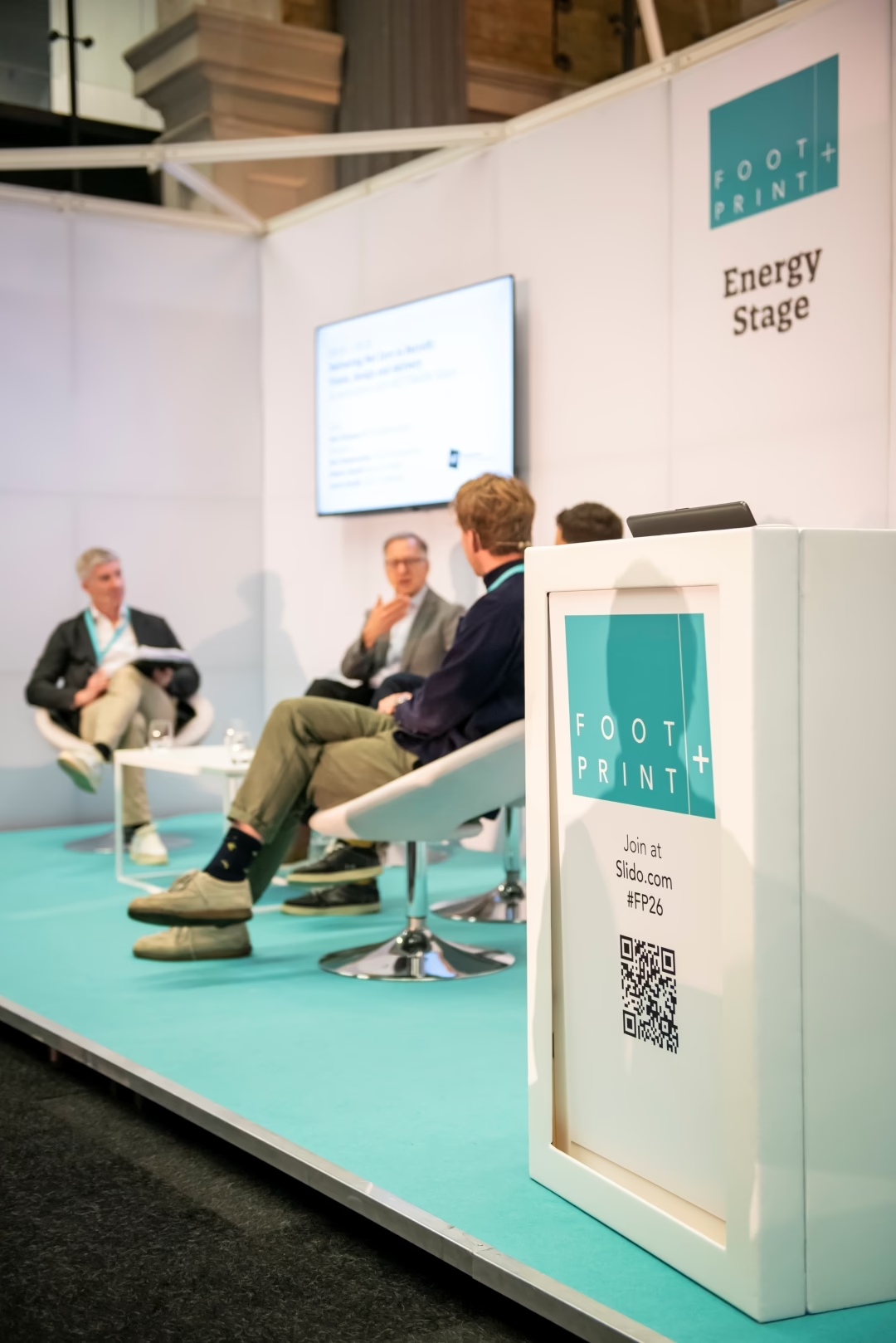
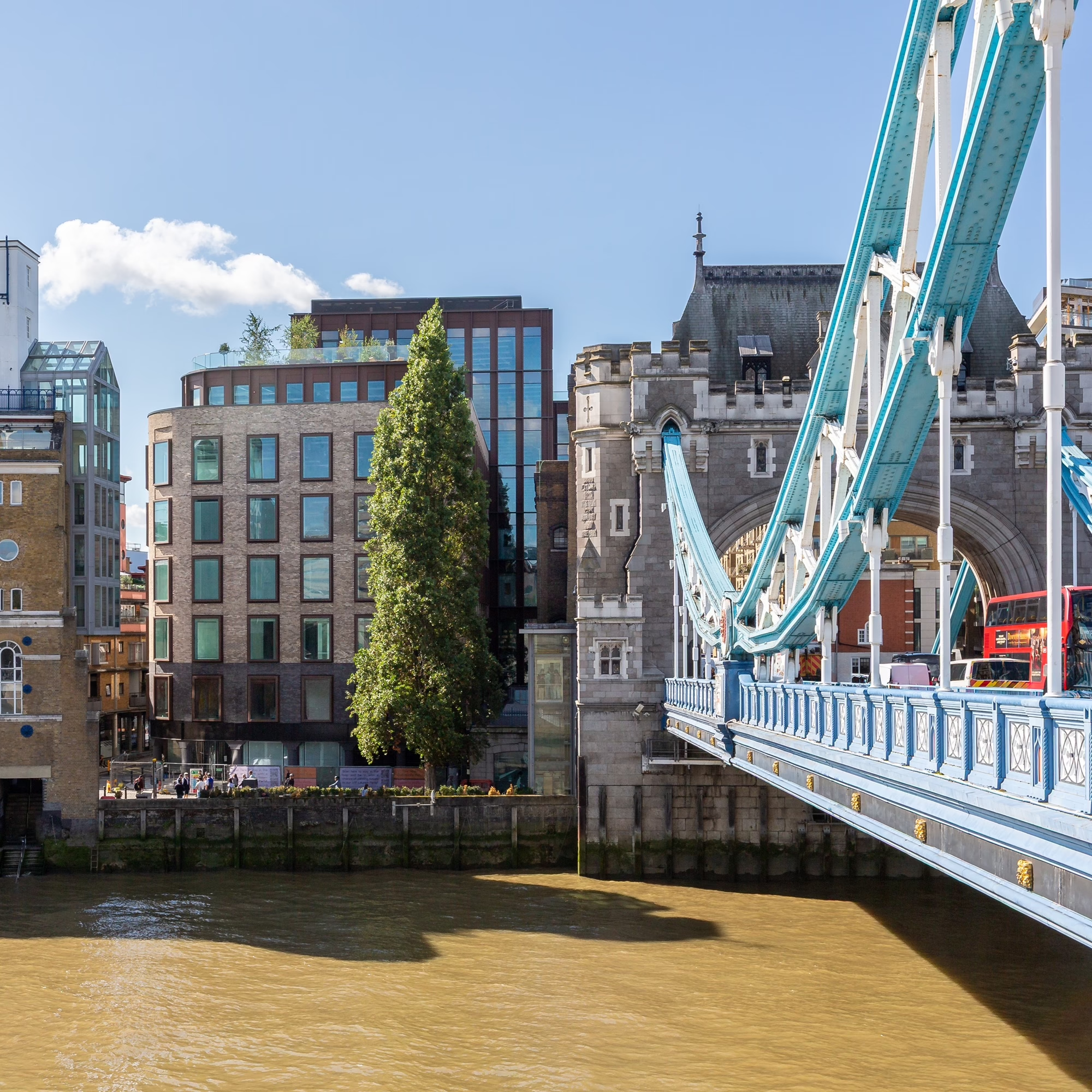
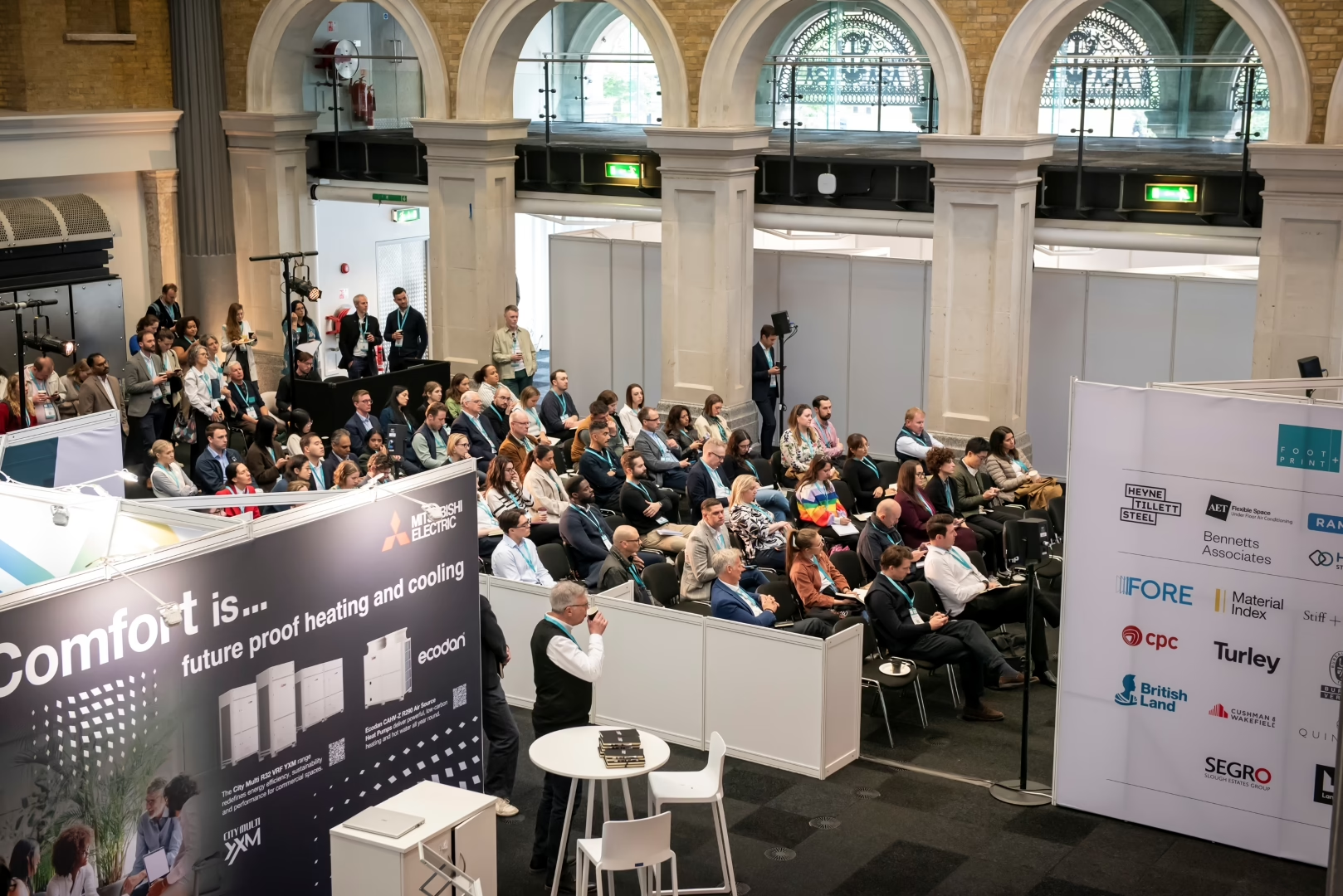
As part of the programme, we hosted the Breakfast Briefing, Delivering Net Zero in Retrofit: Vision, Design and Delivery, exploring the transformation of Tower Bridge Court — TBC.London — into one of the UK’s most forward-thinking all-electric retrofit workspaces.

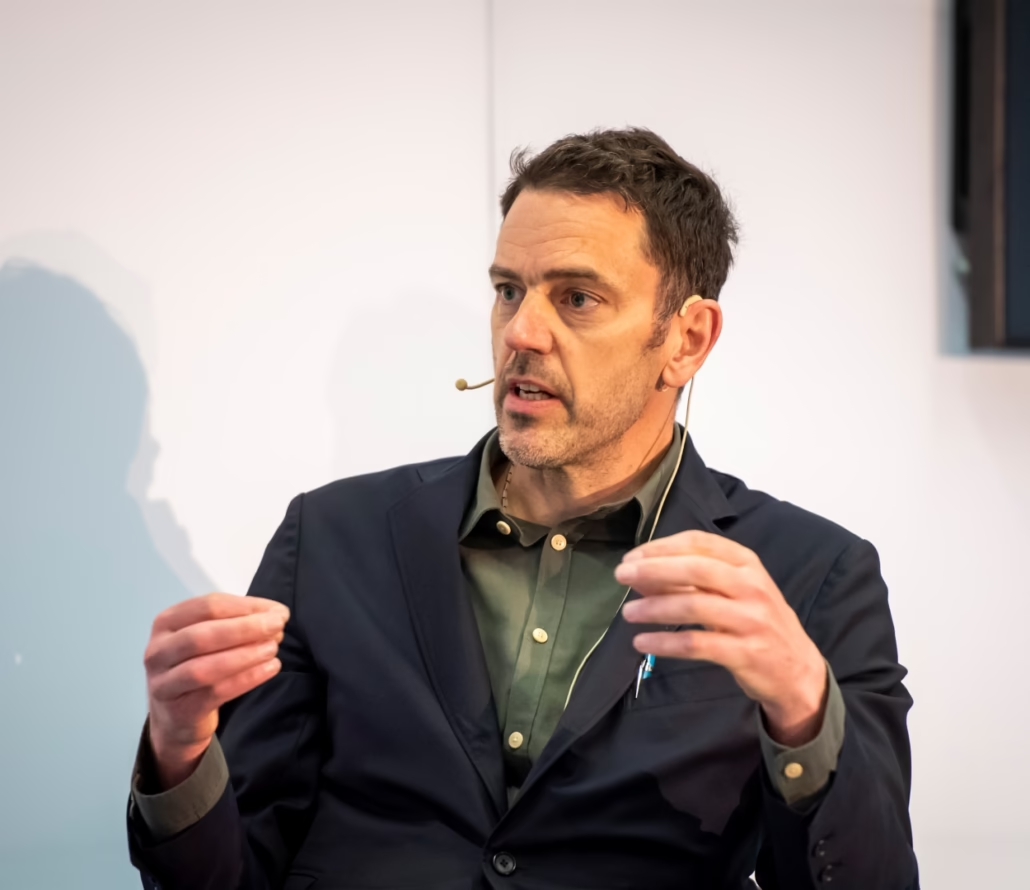
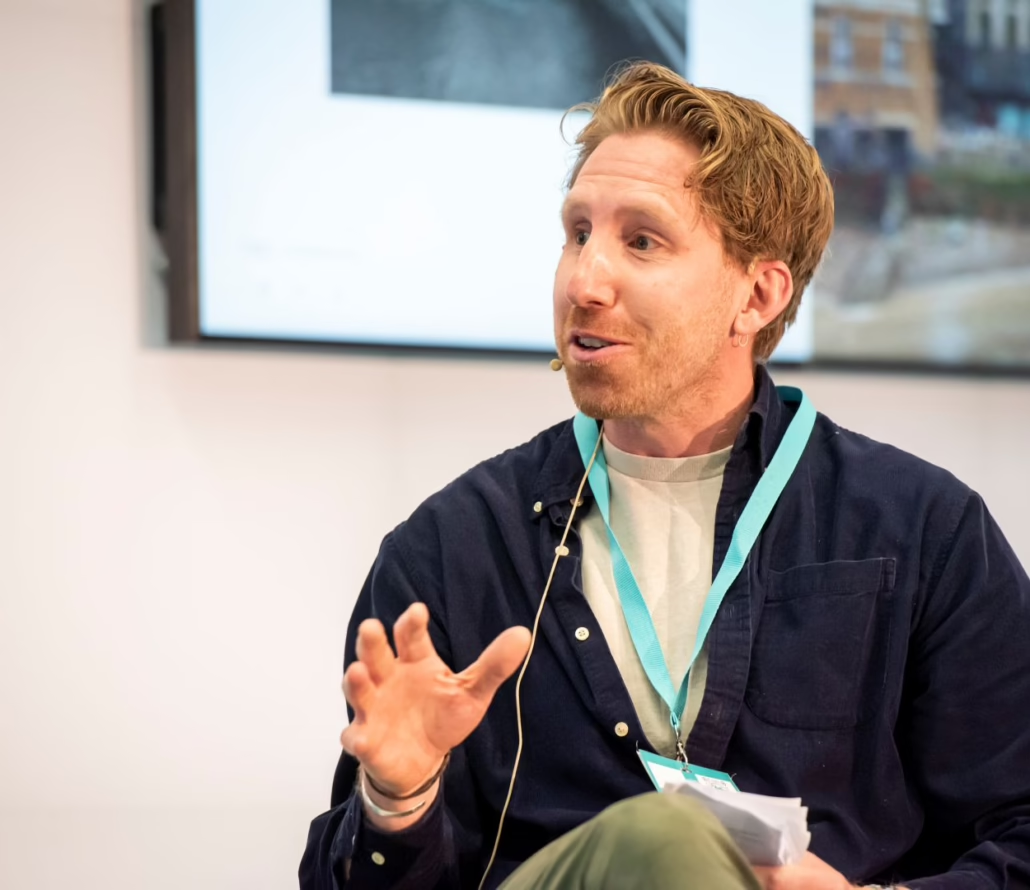
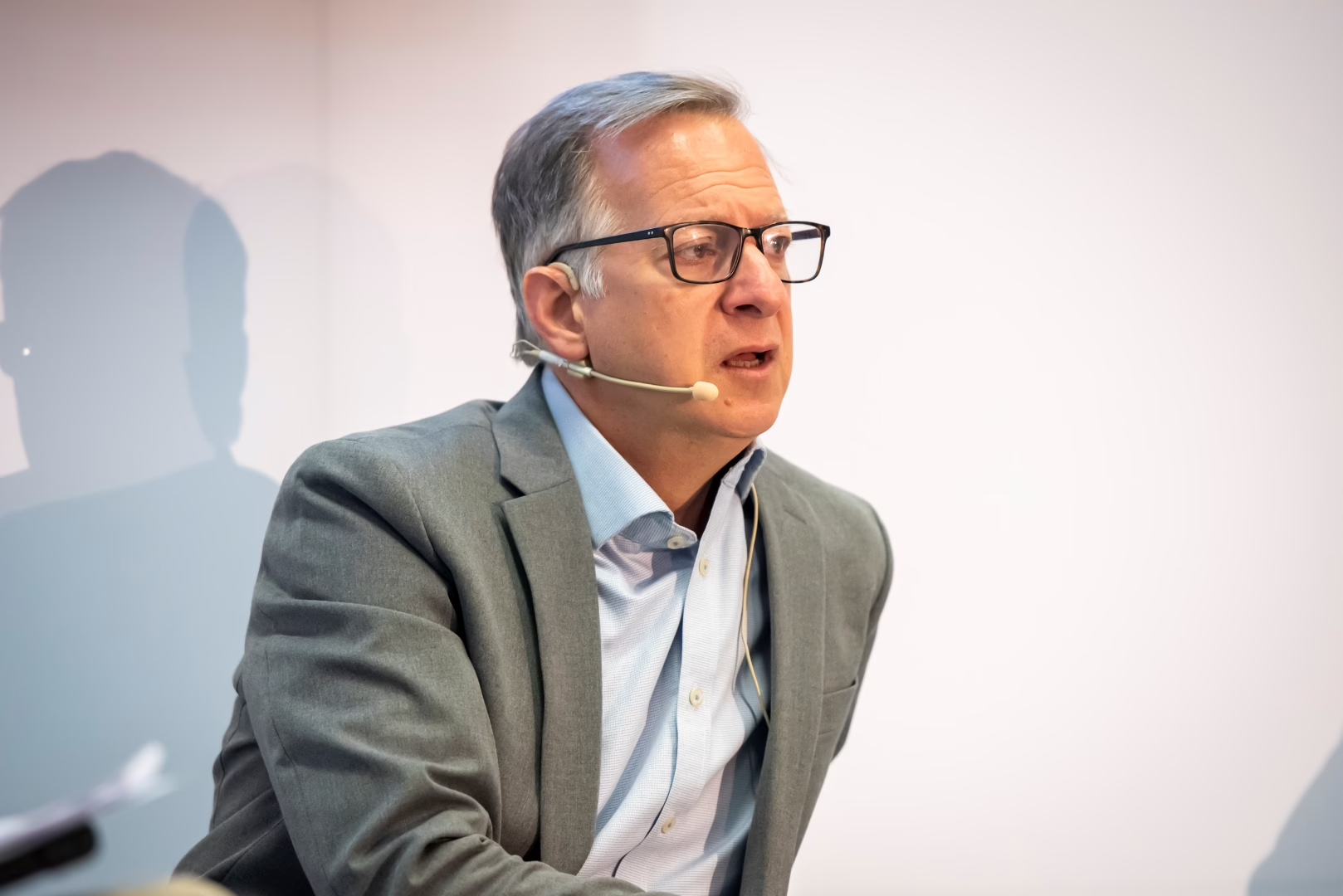
Chaired by Karl Stauss, Head of Client Delivery at AET, the discussion brought together:

→ Basil Demeroutis, FORE Partnership
→ Lance Routh, Stiff + Trevillion Architects
→ Robert Smith, Material Index

Together, the panel explored what it takes to translate ambitious sustainability targets into measurable performance, from the earliest project vision and design decisions through to material reuse, construction and long-term operation.
From environmental ambition to performance in practice

The conversation began with net zero and the role low-carbon urban regeneration can play in driving meaningful change across the built environment.

The panel explored how FORE Partnership’s commitment to an all-electric, net-zero development influenced the design of TBC.London and how the project team worked within the constraints of the existing structure while improving thermal and acoustic performance, introducing new circulation cores and adding three additional floors.

Circularity was a recurring theme. The project diverted 98.9% of construction waste from landfill and reused 40 tonnes of 1930s pre-war steel, demonstrating how existing materials can retain value and contribute to a lower-carbon approach to redevelopment.

ESG in its core

Sustainability at TBC.London extends beyond environmental performance. Discussions around ESG highlighted the creation of the Urban Village Hub, local engagement and the wider social and economic contribution of the project. More than 80% of procurement was sourced from within the M25, while 35% of labour came from the local area.

Innovation also played an important role, with solutions including BioMason biocement, pollutant-absorbing paint and the QFlow AI platform helping the project team explore new ways to reduce environmental impact and improve measurable outcomes.

Throughout the discussion, one point remained clear: successful retrofit requires environmental ambition, social value, commercial resilience and occupant experience to be considered together rather than in isolation.

Lessons from delivering net zero in retrofit

TBC.London demonstrates what can be achieved when sustainability is embedded within a project from the outset and carried consistently from vision through design and delivery.

One of the strongest lessons from the discussion was that existing buildings should not automatically be viewed as constraints. With the right strategy, retained structures can become valuable resources — reducing material demand while supporting new, high-performing spaces designed for the future.

Flexibility is equally important. Buildings must be able to respond to changing occupier requirements without repeated high-carbon interventions. Adaptable servicing strategies, flexible air conditioning systems and multi-tenanted workspaces can support faster tenant fit-outs while helping to minimise disruption, material use and waste throughout the building lifecycle.

The discussion also reinforced the importance of evidence. Ambitious targets must be supported by measurable outcomes, collaboration across the project team and a clear understanding of how design decisions influence operational performance, occupant comfort and long-term value.

For AET, FOOTPRINT+ was ultimately about relevance: showing up, sharing knowledge and continuing the conversations needed to create workplaces that deliver both comfort and meaningful ESG performance.

Thank you to everyone who joined the Breakfast Briefing or stopped by the AET stand throughout the two-day event.

TBC.London in numbers

→ 98.9%
of construction waste diverted from landfill

→ 40 tonnes
of 1930s pre-war steel reused within the project

→ 80%+
of procurement sourced from within the M25

→ 35%
of project labour sourced locally

→ 3 additional floors
introduced through the transformation of the existing building

These figures demonstrate how considered retrofit strategies can deliver measurable environmental, social and economic value — reducing waste, retaining valuable materials and supporting local supply chains while extending the life and potential of existing buildings.

Couldn’t attend the live discussion?