BCO ESG Summit 2026

BCO ESG
Summit 2026

BCO ESG Summit 2026 — from intent to evidence

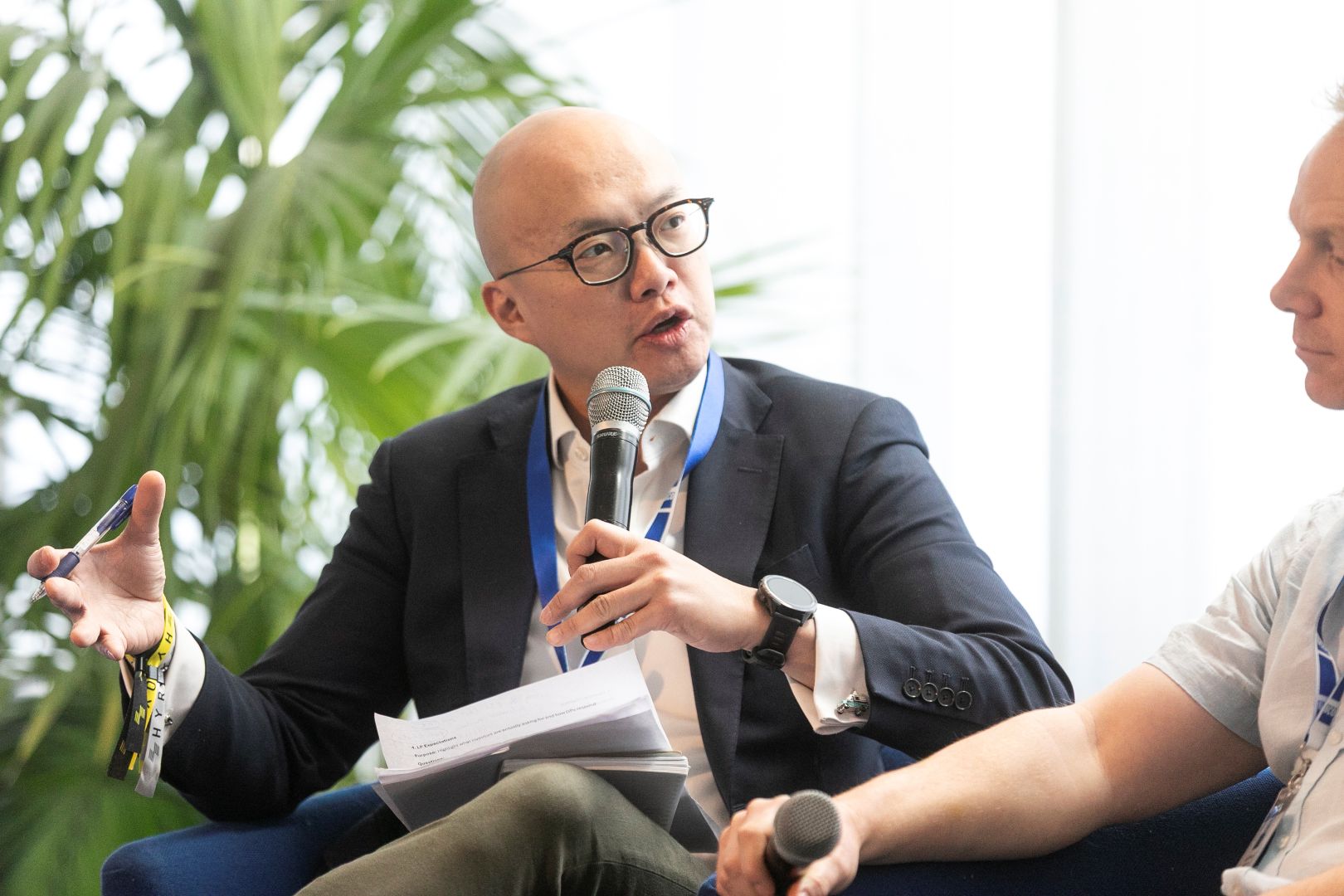
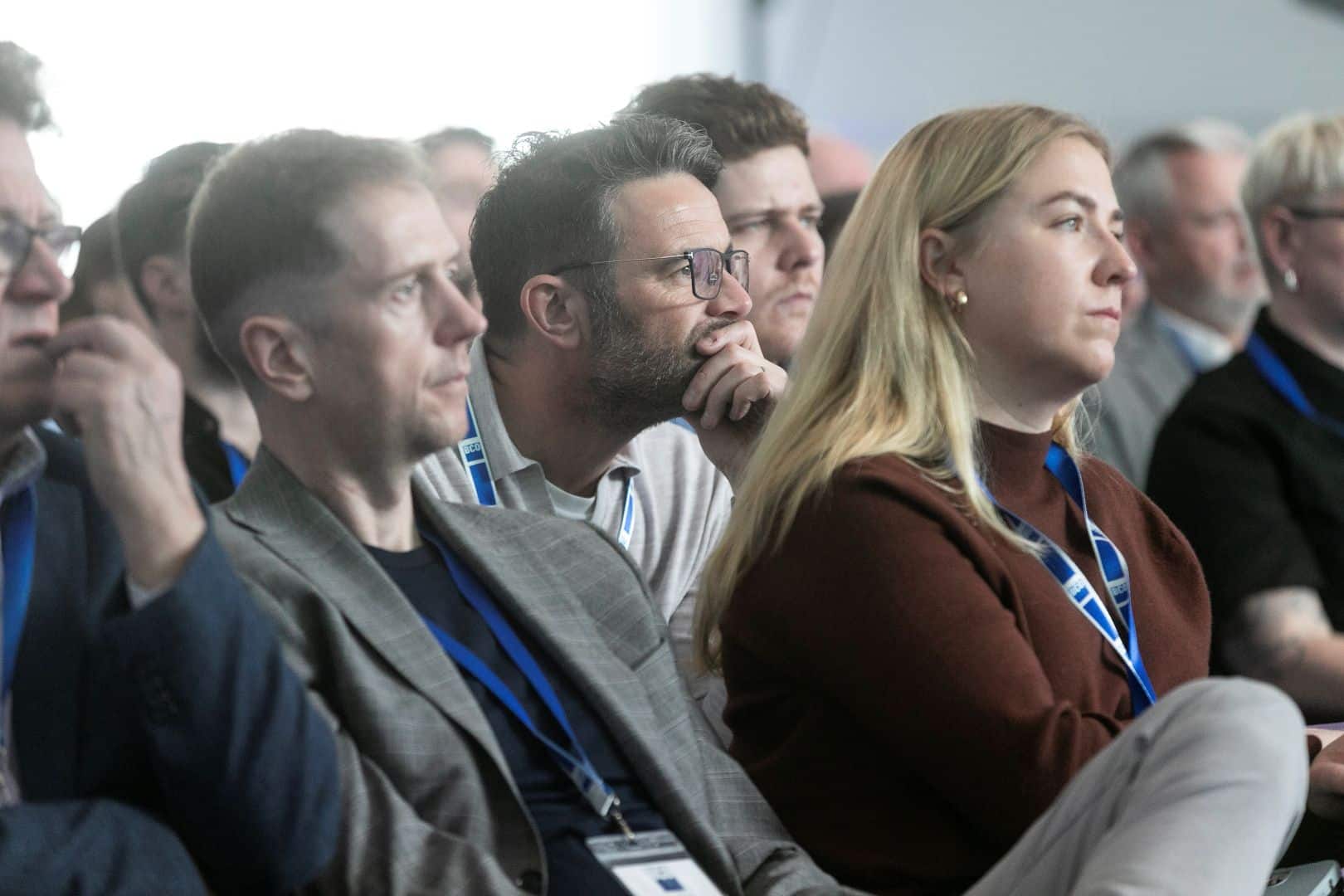
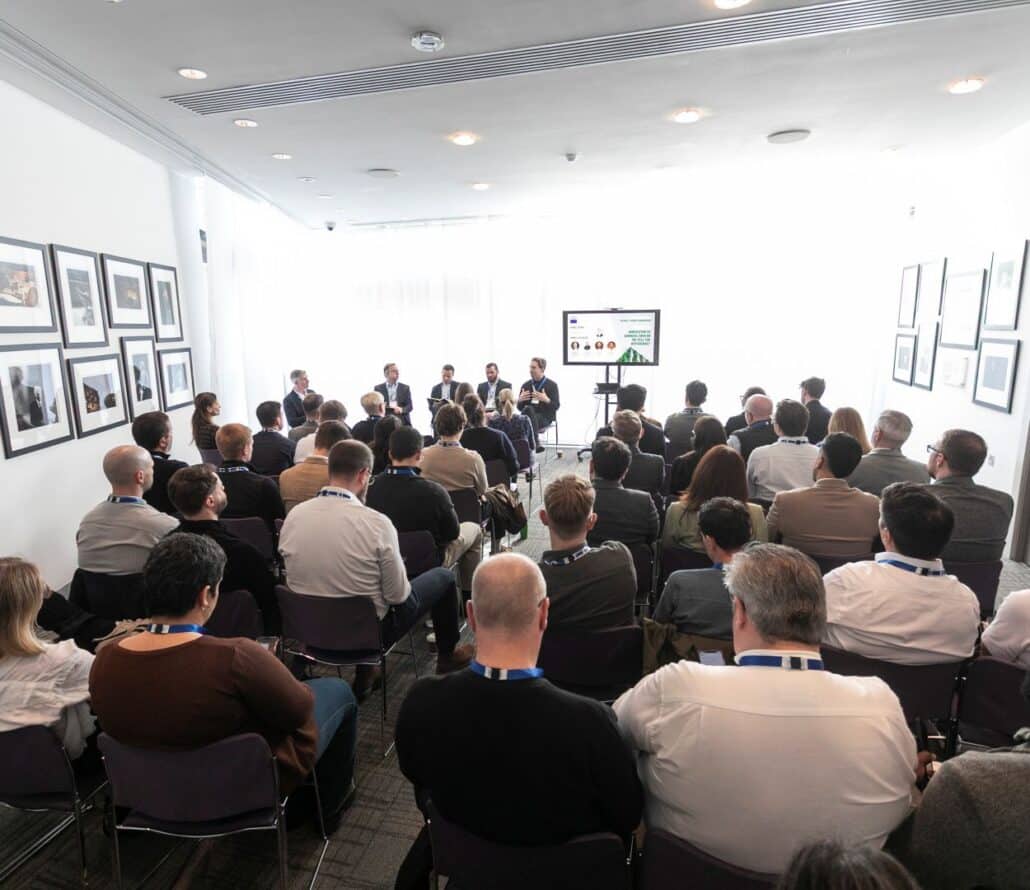
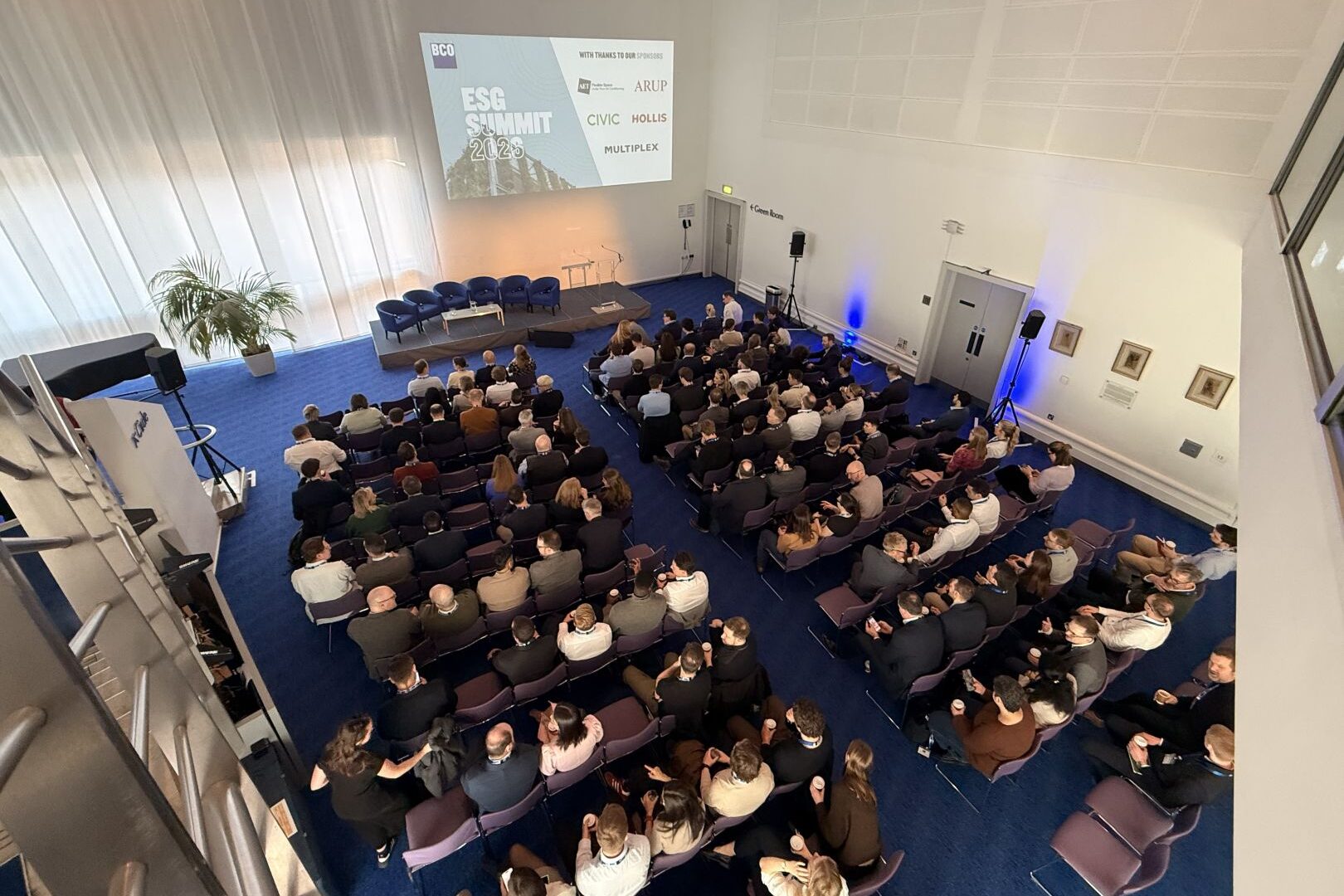
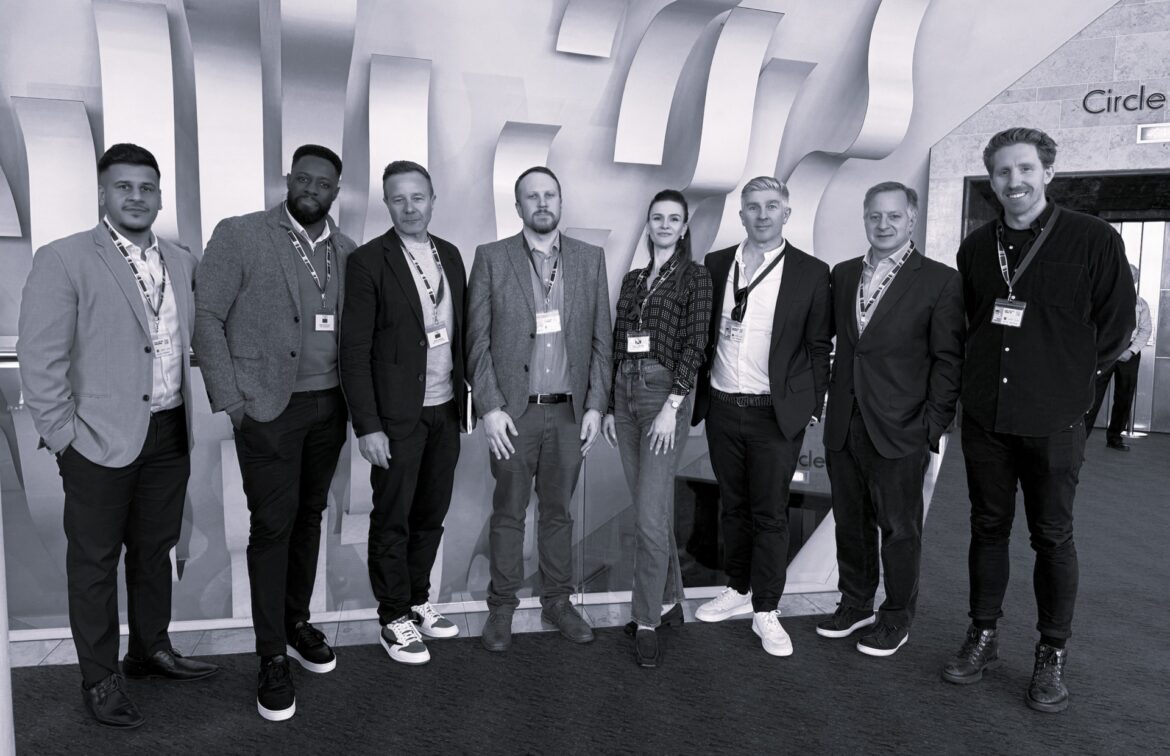
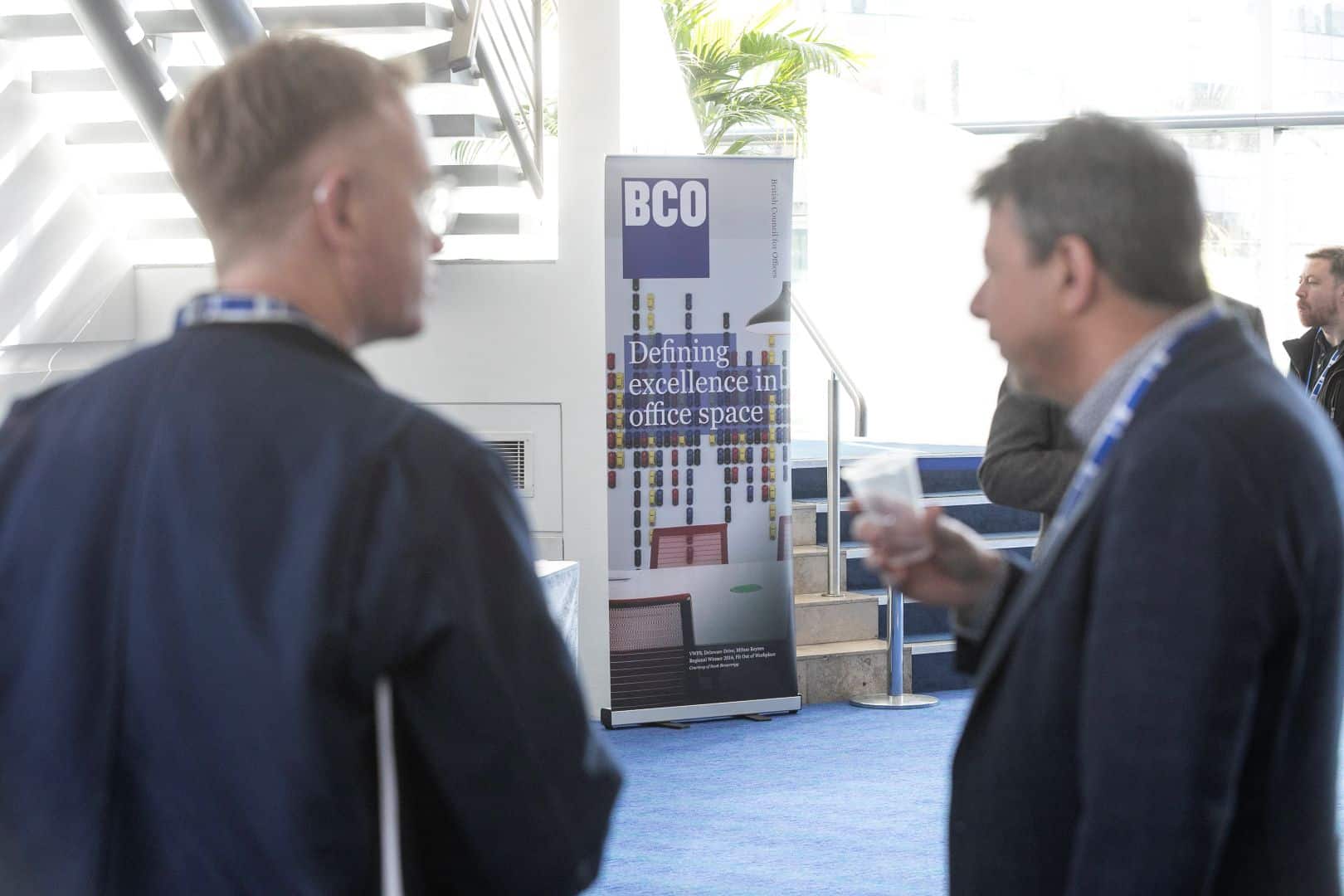
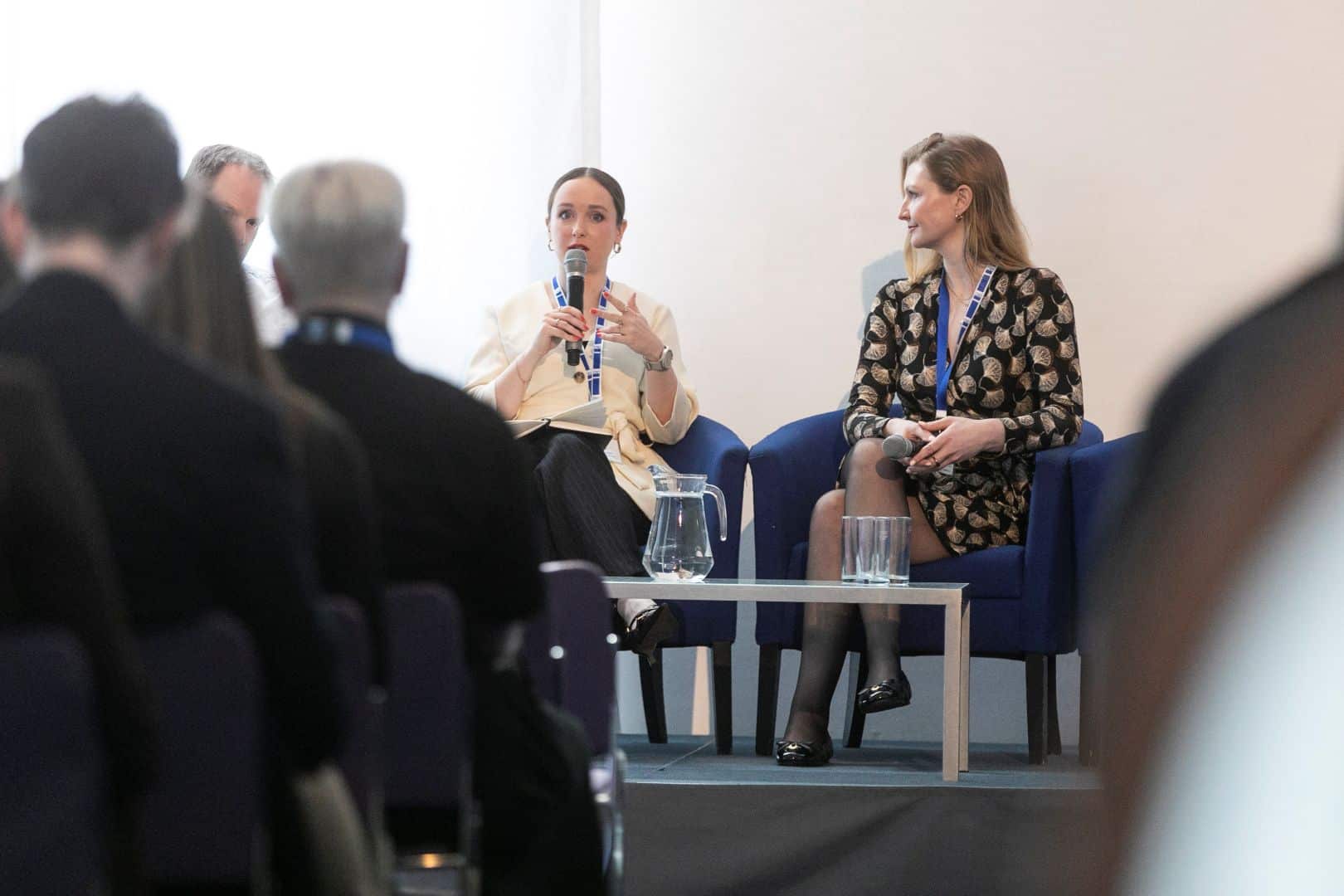
In March 2026, the British Council for Offices ESG Summit brought together industry leaders in Manchester for a full day of discussion, insight and collaboration across the built environment.

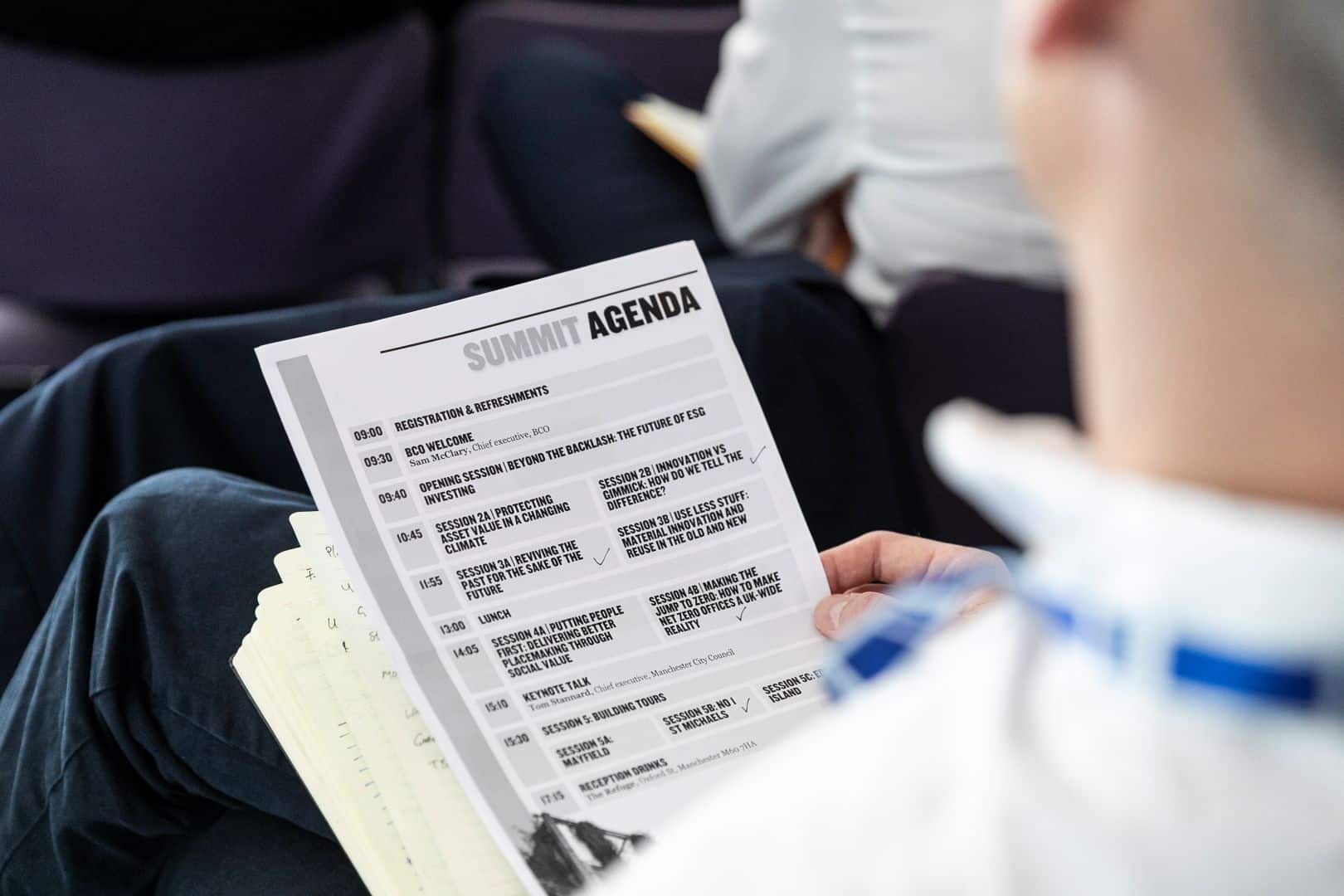
The event combined keynote panels, breakout sessions and curated building tours, concluding with a networking reception that extended conversations beyond the stage.

The overarching message was clear:
ESG is not going anywhere — but it now demands proof.

The tone marked a noticeable shift from previous years. As economic and political pressures reshape the market, ESG has evolved from ambition-led messaging into a core driver of risk, value and performance.
ESG Matures: From Green Premium to Brown Discount

One of the strongest themes across the day was the end of ESG as a marketing lever.

The industry is moving beyond the idea of a “green premium” and facing the reality of a “brown discount”, where underperforming assets are actively devalued.

ESG is now firmly embedded in:
— Investment decisions
— Asset resilience
— Long-term financial viability.

This shift reflects a more disciplined, data-driven market where credibility and transparency are non-negotiable.

In-Use Performance is King

A consistent message across panels was the growing importance of measured operational performance.

Design-stage predictions alone are no longer sufficient. Investors and occupiers are demanding real, in-use data to validate performance claims.

Frameworks such as NABERS, TCFD and the emerging UK Net Zero Carbon Buildings Standard are accelerating this transition, helping to establish:
— Clear benchmarks
— Comparable data
— Accountability across the asset lifecycle.

The direction is clear:
What a building actually does matters more than what it was designed to do.

Retrofit as the Default Strategy

With increasing scrutiny on embodied carbon and delivery timelines, retrofit has become the primary pathway forward.

Rather than defaulting to new build, the industry is embracing:
— Deep retrofit strategies
— Adaptive reuse of existing assets
— Extending building lifespans by 30+ years.

This approach not only reduces carbon impact but also delivers enhanced social value and cost parity with new developments.

Particularly within the UK’s complex and heritage-rich building stock, retrofit is no longer a compromise — it is the preferred solution.

Climate Resilience Takes Centre Stage

While net zero remains critical, the conversation has broadened significantly to include physical climate risk.

From overheating to extreme weather events, resilience is now a commercial priority, not just an environmental one.

The focus is shifting towards:
— Tangible adaptation strategies
— Costed resilience planning
— Long-term asset protection.

In simple terms:
Carbon reduction alone is no longer enough, and buildings must be designed to withstand future conditions.

Innovation vs Gimmick: Raising the Bar

A standout discussion from the summit explored a key question:
How do we distinguish real innovation from industry “noise”?

The consensus was clear: innovation must be:
— Buildable
— Proven
— Scalable.

Not conceptual or purely aesthetic.

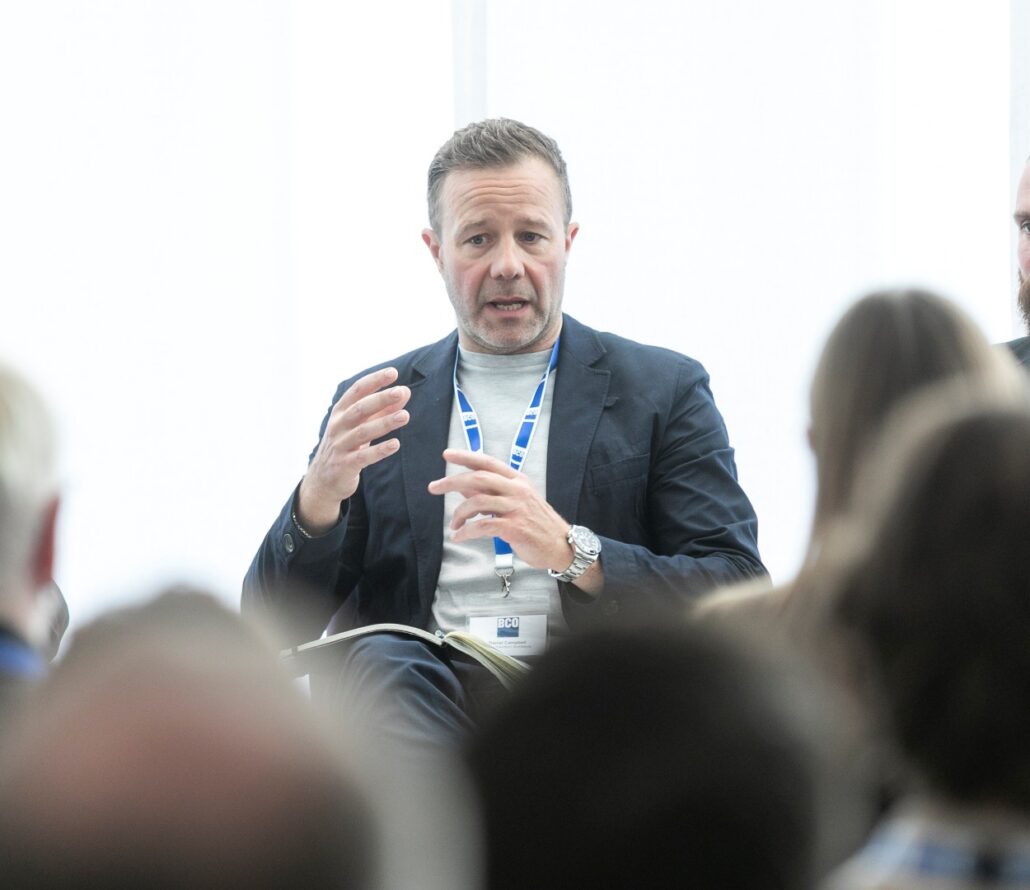
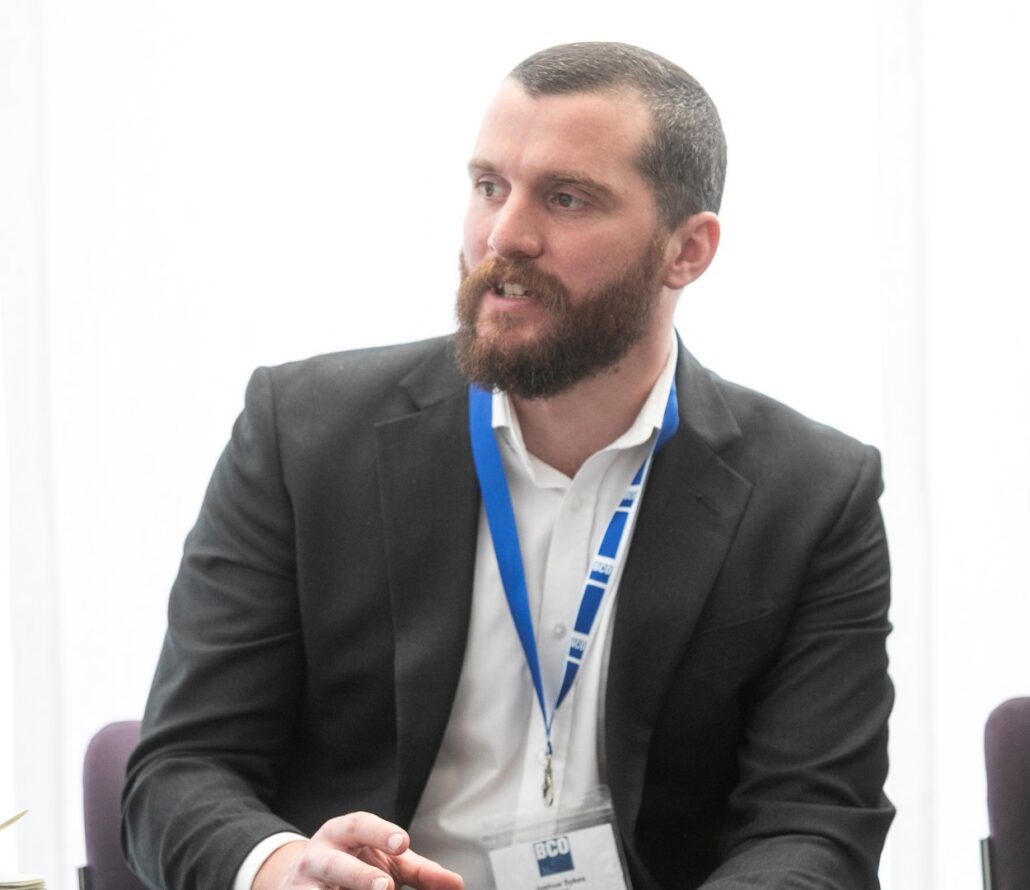
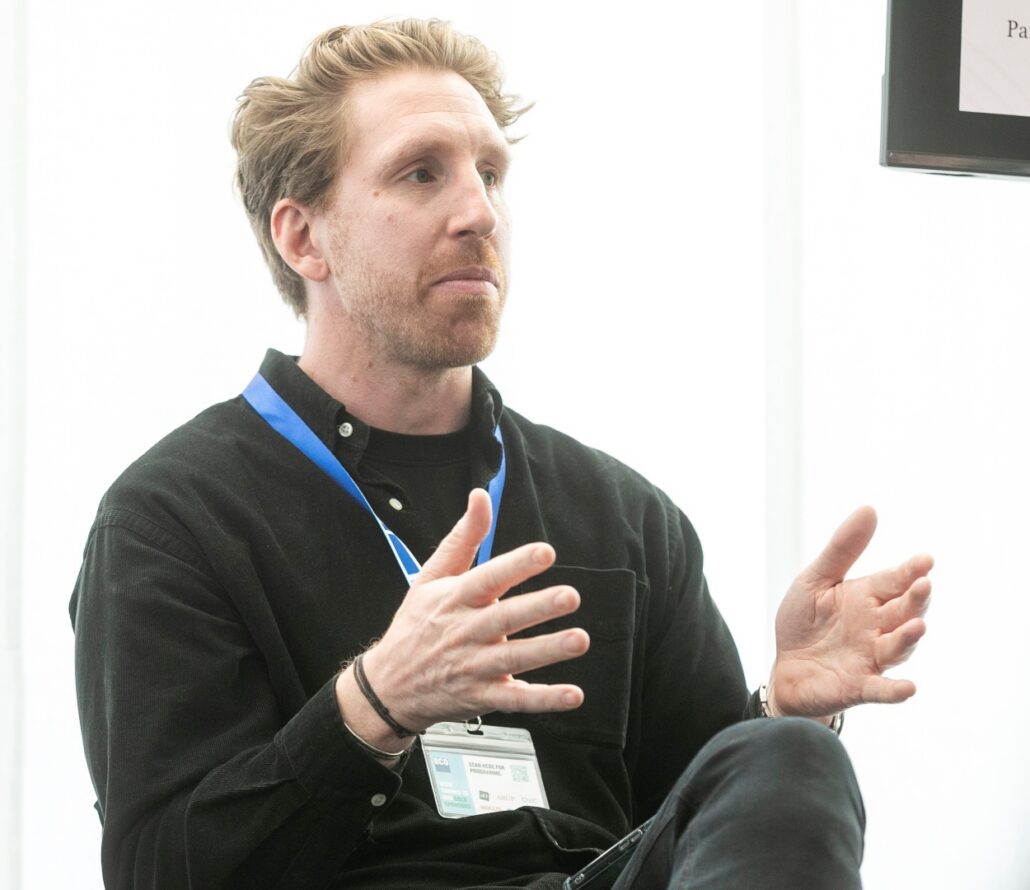
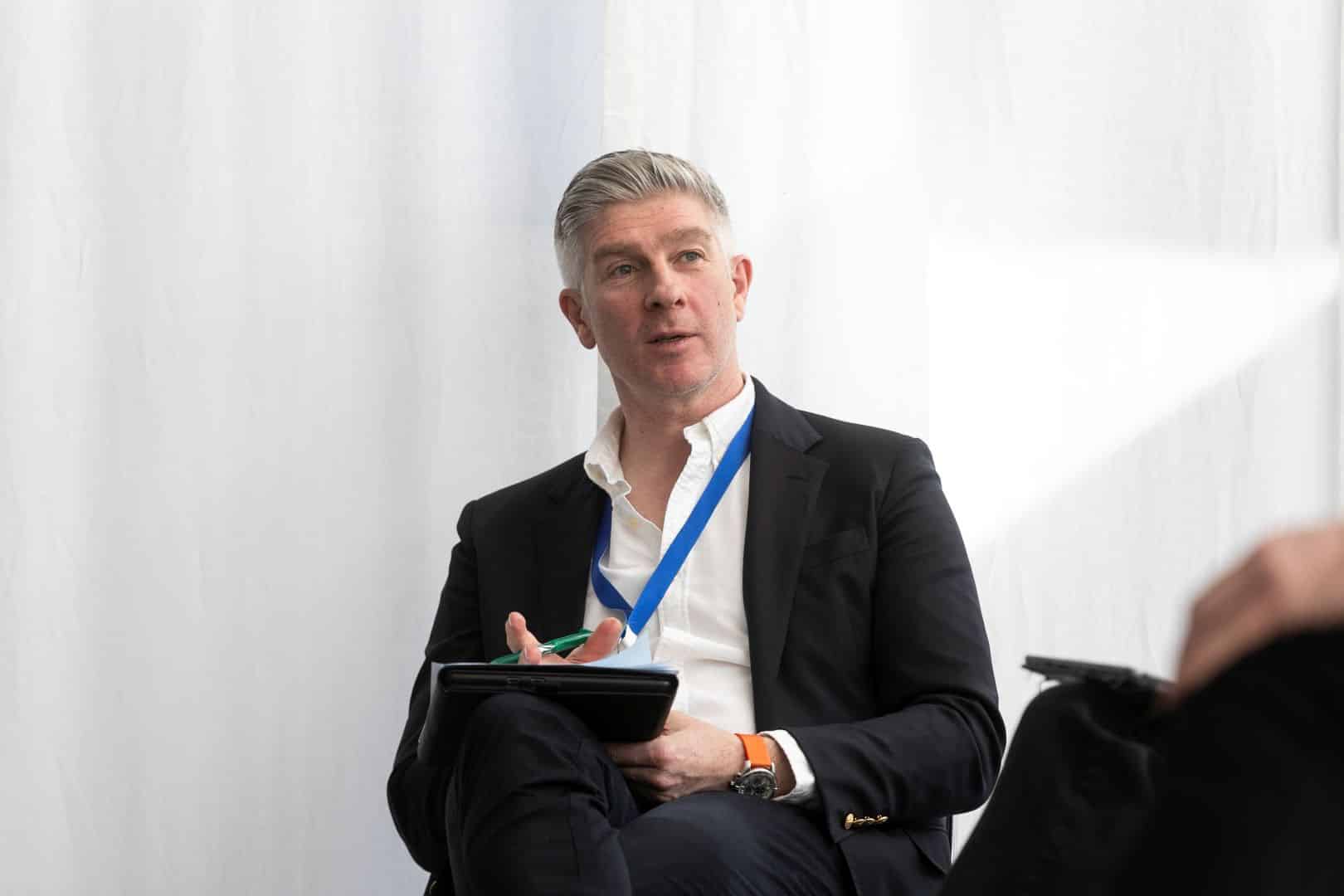
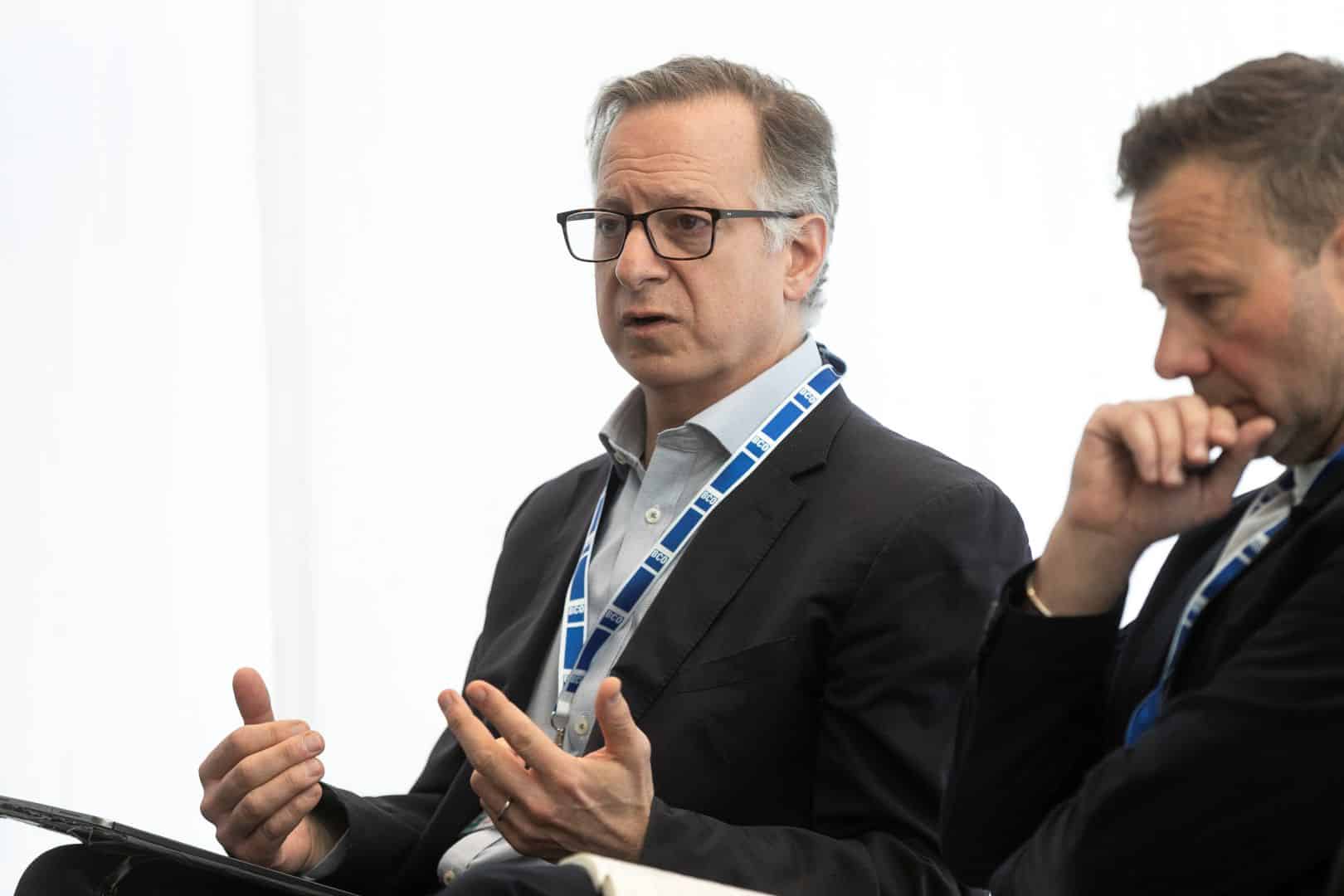
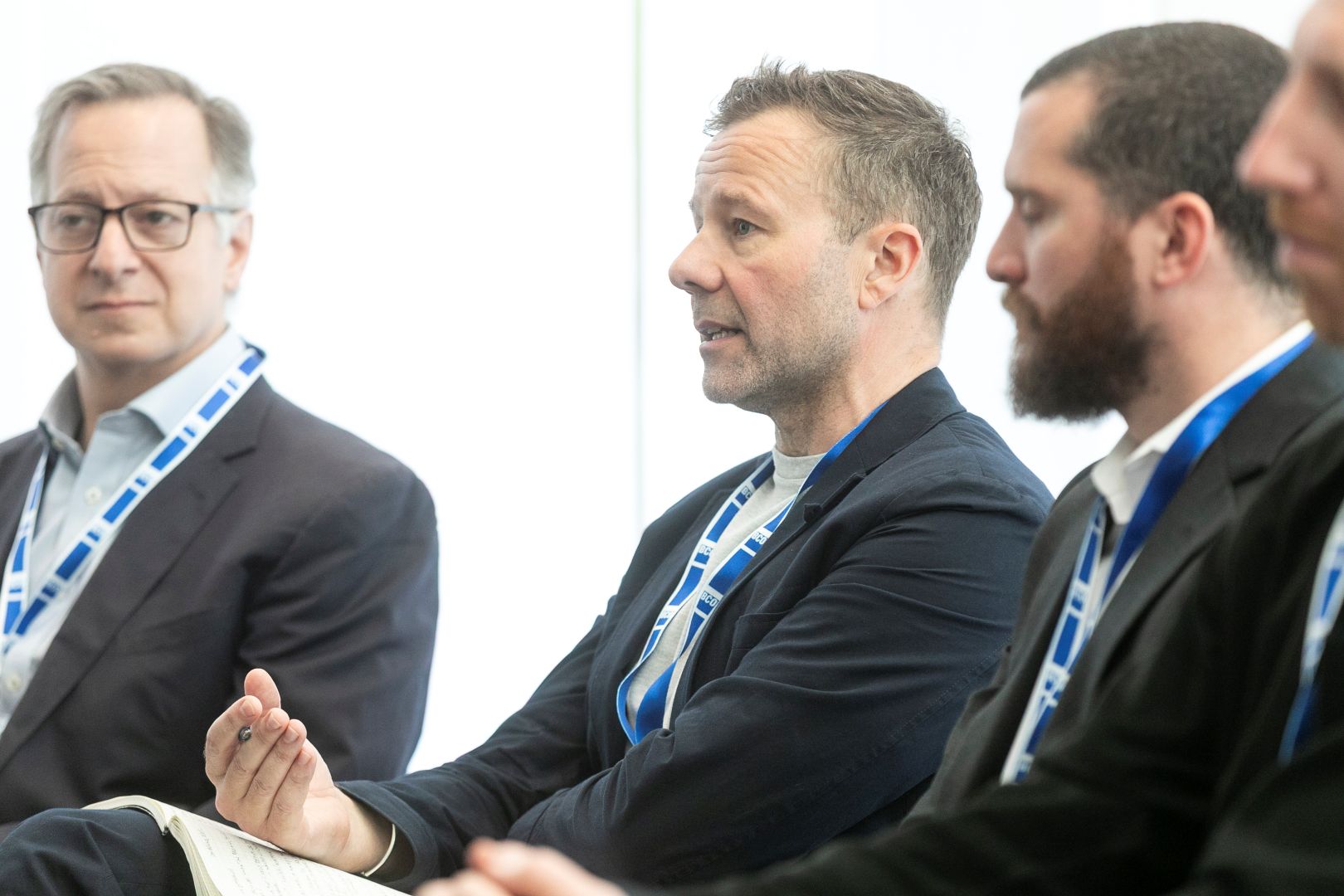
As highlighted during the panel chaired by AET’s Head of Client Delivery, Karl Stauss, with contributions from Basil Demeroutis (FORE Partnership), Dan Campbell (Stiff + Trevillion Architects), Joshua Sykes (WSP), and Robert Smith (Material Index), the industry must prioritise solutions that deliver measurable outcomes over time.

This aligns with a broader challenge: productivity in construction has stagnated, highlighting the need to invest in meaningful, performance-driven innovation.

Performance, People and the Power of Storytelling

Beyond metrics, the human dimension of ESG also came through strongly.

As noted by Basil Demeroutis, performance must be paired with storytelling — grounded in authenticity, connection and clarity.

Data supports this direction:
— Workplace quality directly impacts productivity and retention
— Employees in better environments are significantly more likely to stay long-term (as highlighted by McKinsey & Company).

This reinforces the idea that ESG is not just about buildings — it is about people, experience and long-term value creation.

AET Perspective

The key takeaway from the 2026 summit is unmistakable:
The industry is moving beyond intent.

Measurement, evaluation and accountability are now fundamental, with ESG shaping decisions across design, delivery, operation, and investment.

At AET Flexible Space, this shift aligns closely with our approach.

Through our underfloor air conditioning systems, we continue to support:
— Measurable in-use performance
— Adaptable and future-ready workplaces
— Long-term operational efficiency.

By contributing to industry dialogue and sharing knowledge through events like the BCO ESG Summit, we are committed to helping drive a more transparent, accountable and high-performing built environment.

Continue the conversation

We’re proud to be part of an industry that is evolving with purpose.

If you’d like to learn more about how AET Flexible Space supports performance-led, sustainable workplaces, or to discuss upcoming collaborations and events:

Get in touch with our team or follow us on LinkedIn to stay updated on future insights and industry conversations.

Make ESG performance last.