Commercial air conditioning and Net Zero — a new standard

Commercial air conditioning and Net Zero — a new standard

A Shift from Targets to Proven Performance

The UK Net Zero Carbon Buildings Standard marks a significant step change for the built environment. It moves the conversation beyond aspirational targets towards measurable, in-use performance that can be verified over time. For the industry, this introduces a new level of accountability, and for commercial air conditioning, it sets a clear direction for how systems must evolve.

Rather than relying on design-stage predictions alone, buildings are now expected to demonstrate how they operate in reality. This shift reflects a wider recalibration across the market, where sustainability claims must be supported by evidence. As a result, the performance gap that has long challenged commercial developments is being brought into sharper focus, placing building services firmly under the spotlight.
Rethinking Commercial Air Conditioning Design

Traditional commercial air conditioning systems have often been designed around peak demand, with a tendency to oversize in order to guarantee comfort. While effective in principle, this approach can lead to inefficiencies once buildings are occupied, with systems working harder than necessary and consuming more energy over time.

Under the new Standard, this is no longer sustainable. Commercial air conditioning must become more precise, more responsive and more closely aligned with actual usage patterns. Systems need to be designed not just for day one, but for how a building will perform throughout its lifecycle — balancing energy efficiency with consistent occupant comfort.

Flexibility, Integration and Real-Time Insight

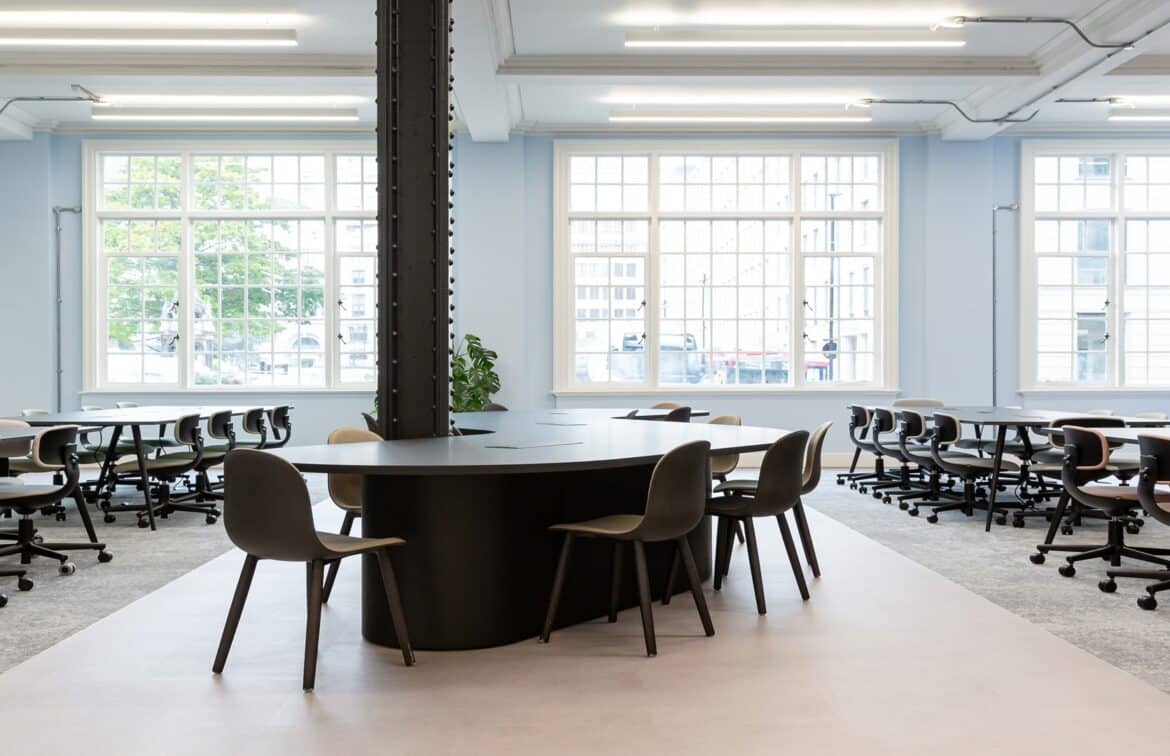
As office and commercial buildings continue to evolve, flexibility is becoming a defining factor in long-term performance. Changing layouts, densities and occupier requirements demand air conditioning systems that can adapt without major disruption. A static solution risks becoming inefficient within a short period, whereas adaptable systems support ongoing optimisation.

At the same time, early integration across the design team is essential. Commercial air conditioning should be considered as part of a wider building ecosystem, working in alignment with architecture, structure and occupancy strategy. Coupled with this is a growing emphasis on data and transparency, with systems expected to provide clear insights into performance, enabling fine-tuning in use and ensuring energy targets are consistently met.

commercial air conditioning

Enabling Ambitious, Future-Ready Buildings

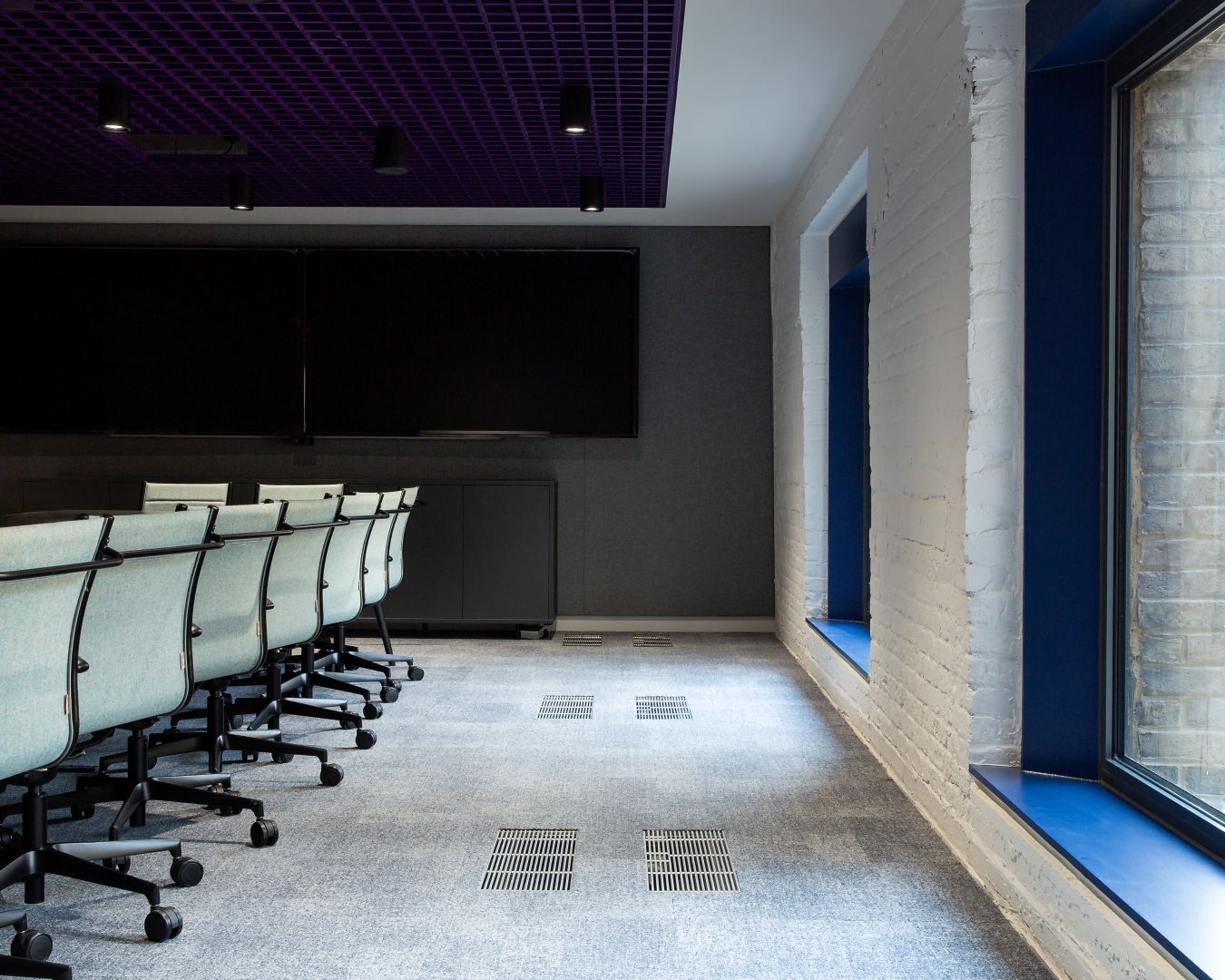
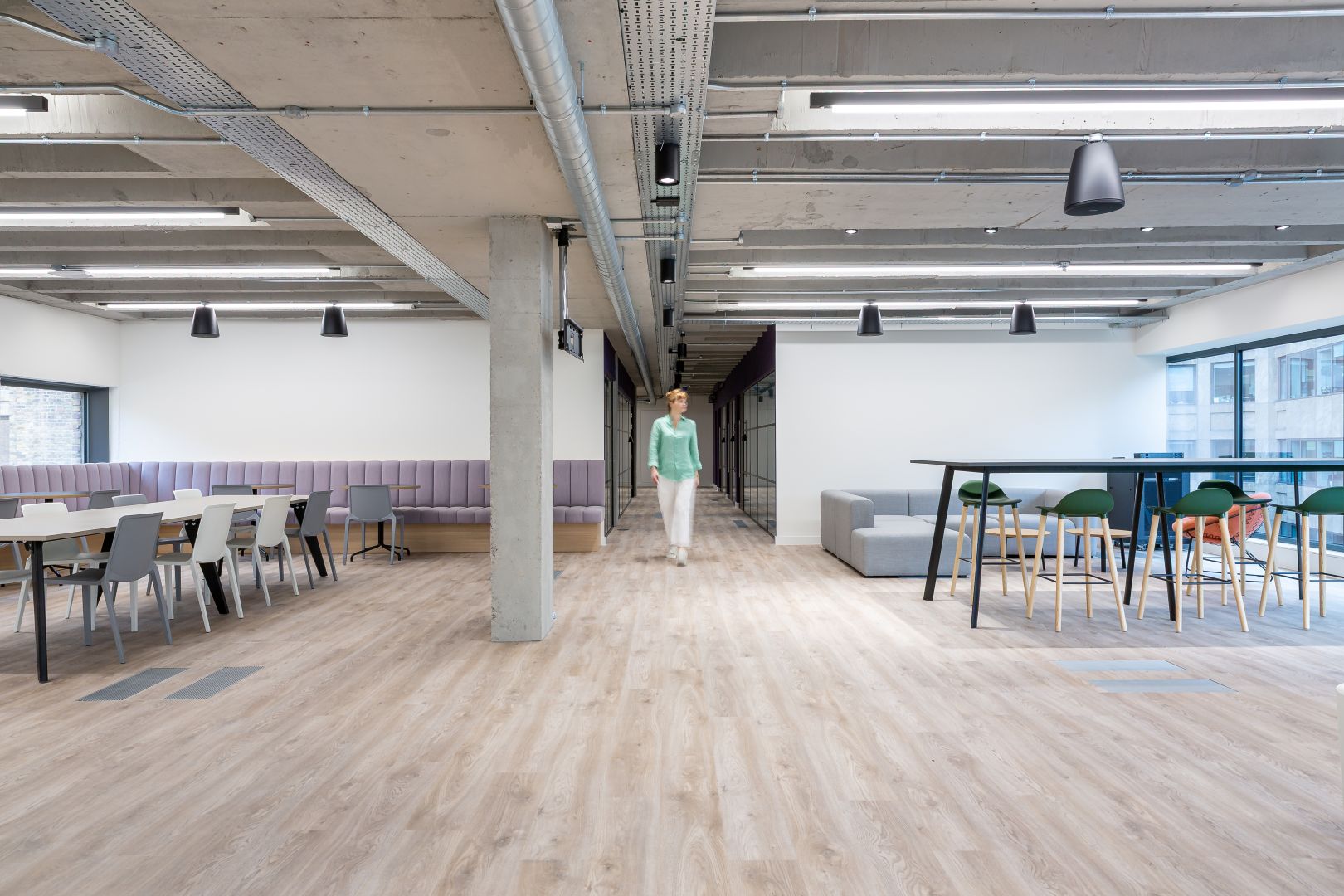
At AET Flexible Space, our approach to commercial air conditioning is already aligned with this shift. Our underfloor air conditioning systems are designed to deliver air precisely where it is needed, reducing energy waste while enhancing comfort, control and usability. More importantly, they provide the flexibility required to respond to changing workplace demands without significant intervention.

Crucially, this is not just a theoretical advantage — it is backed by measured performance. Independent analysis shows that underfloor air conditioning can deliver up to 18% savings in upfront carbon and 9–16% reductions in whole life embodied carbon, alongside operational energy savings of up to 19% when compared to conventional systems.

  • These benefits are seen across both new build and refurbishment projects, reinforcing the role of commercial air conditioning in achieving measurable net zero outcomes.

Beyond system efficiency

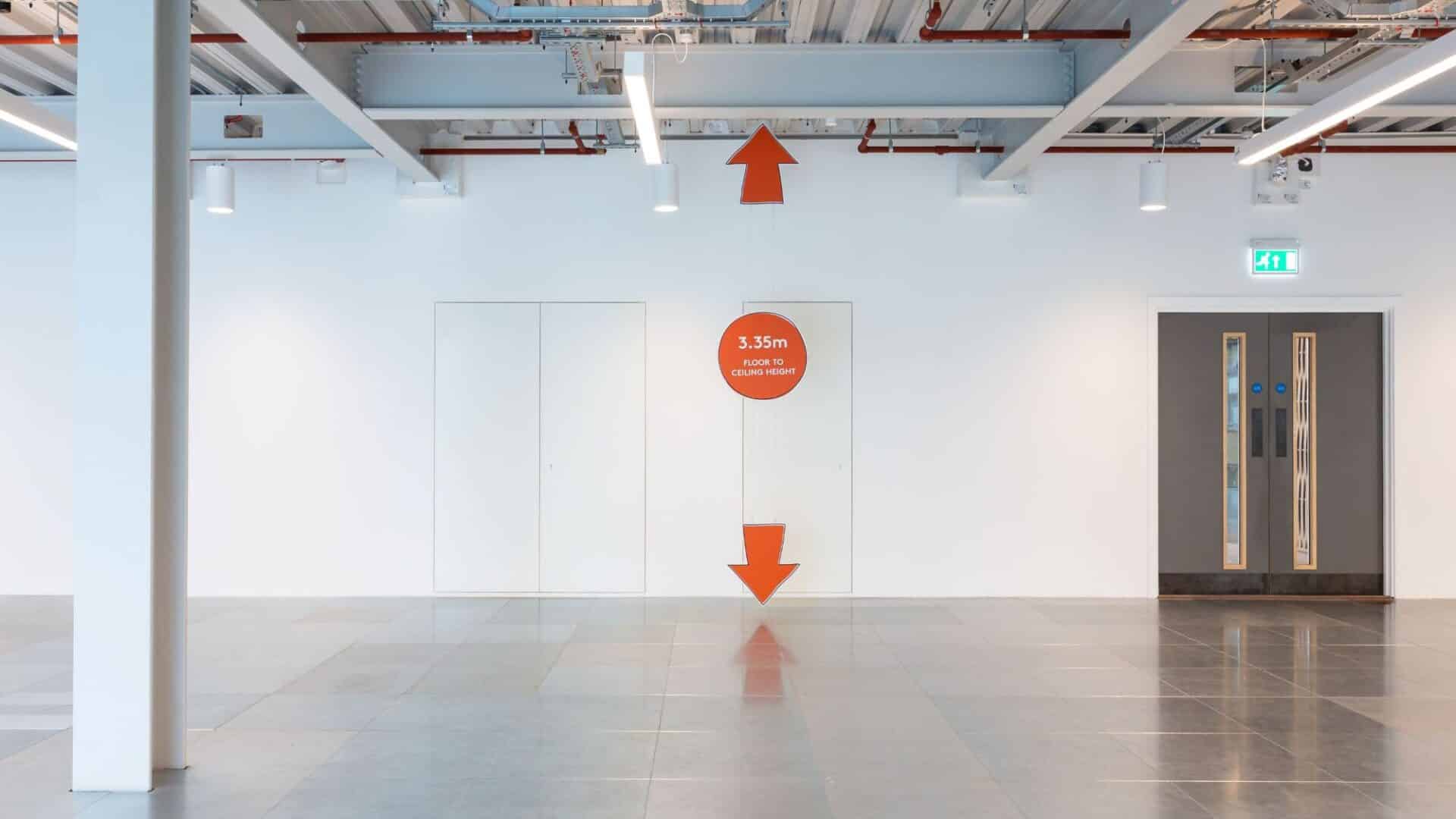
For new build developments, the impact extends beyond system efficiency. By reducing service void requirements, underfloor air conditioning can lower slab-to-slab heights, unlocking significant building-level savings. This includes up to 18% embodied carbon reduction, as well as potential cost savings in the region of £1.7 million on a typical 10-storey building, while even enabling the addition of extra floors within the same overall height.

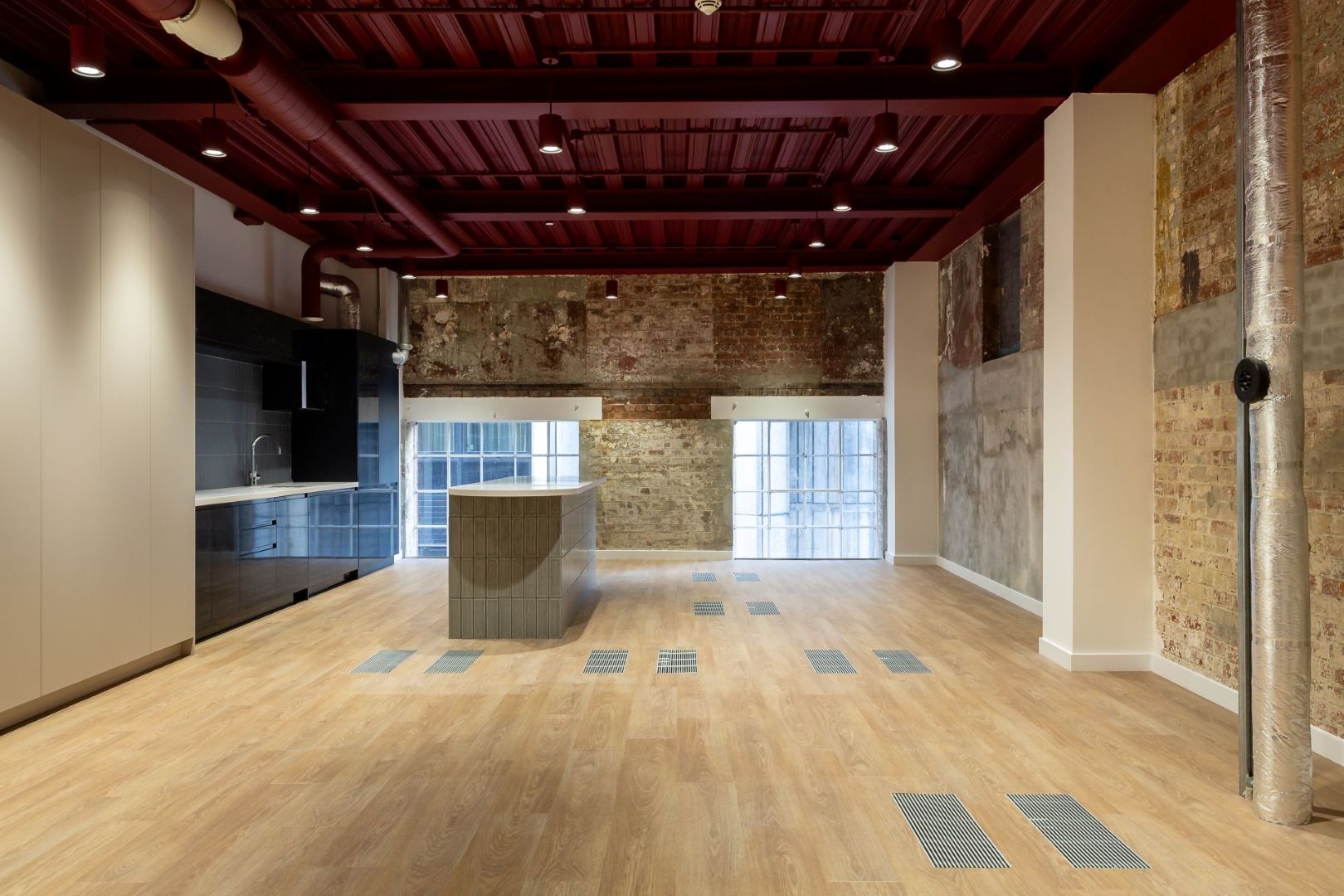
In refurbishment scenarios, where constraints are often greater, flexibility becomes even more valuable. Underfloor air conditioning supports reconfiguration without major structural changes, helping to extend building life, reduce waste and prevent obsolescence. This adaptability, combined with consistent energy and carbon savings, positions commercial air conditioning as a key enabler in the transition to more sustainable existing buildings.

Long-Term Value

As projects become more ambitious and sustainability targets more demanding, the role of commercial air conditioning is evolving. It is no longer simply about maintaining internal conditions — it is about enabling buildings to perform, adapt and meet the expectations of a more selective, performance-driven market.

AET is ready to support this next generation of commercial spaces, helping clients deliver environments that are efficient, resilient and designed for the future.

Take the next step towards net zero with AET’s green solutions.