HVAC Systems Comparison Study by WSP

HVAC Comparison
Study by WSP

The Facts Behind Sustainable HVAC

We’re moving the sustainability conversation from assumptions to evidence. At AET Flexible Space, sustainability has never been about broad promises — it is about measurable performance, long-term value and designing workplaces that are fit for the future.

That is why we are pleased to share our new HVAC Comparison Study, developed alongside sustainability specialists at WSP, comparing the performance of underfloor air conditioning (UfAC) against conventional ceiling-based HVAC alternatives across both refurbishment and new-build office projects.

Low carbon HVAC

The study explores what matters most to today’s developers, architects, consultants and occupiers: operational energy, upfront carbon, whole life embodied carbon, cost, wellbeing and long-term adaptability — placing systems side by side to understand where genuine efficiencies can be achieved.

More importantly, the study considers HVAC not simply as a building service, but as part of a wider strategy for future-ready, lower-carbon workplaces — assessing how system selection can influence everything from embodied carbon and operational efficiency to floorplate flexibility, asset longevity and whole-building performance.

Measurable savings across carbon and energy

Across both refurbishment and new-build scenarios, the study demonstrates measurable performance advantages when comparing underfloor air conditioning with traditional ceiling-based HVAC systems.

The findings include:
→ Up to 19% saving in total operational energy
→ Up to 18% saving in upfront carbon
→ Up to 16% saving in whole life embodied carbon

Beyond HVAC performance alone, the study also considers wider building-level impacts — from reduced material demand and embodied carbon to improved flexibility, operational efficiency and long-term building performance.

Refurbishment projects: unlocking more from existing buildings

For refurbishment and retrofit projects, performance is only part of the equation. Flexibility, adaptability and preserving the character of existing assets are increasingly critical considerations.

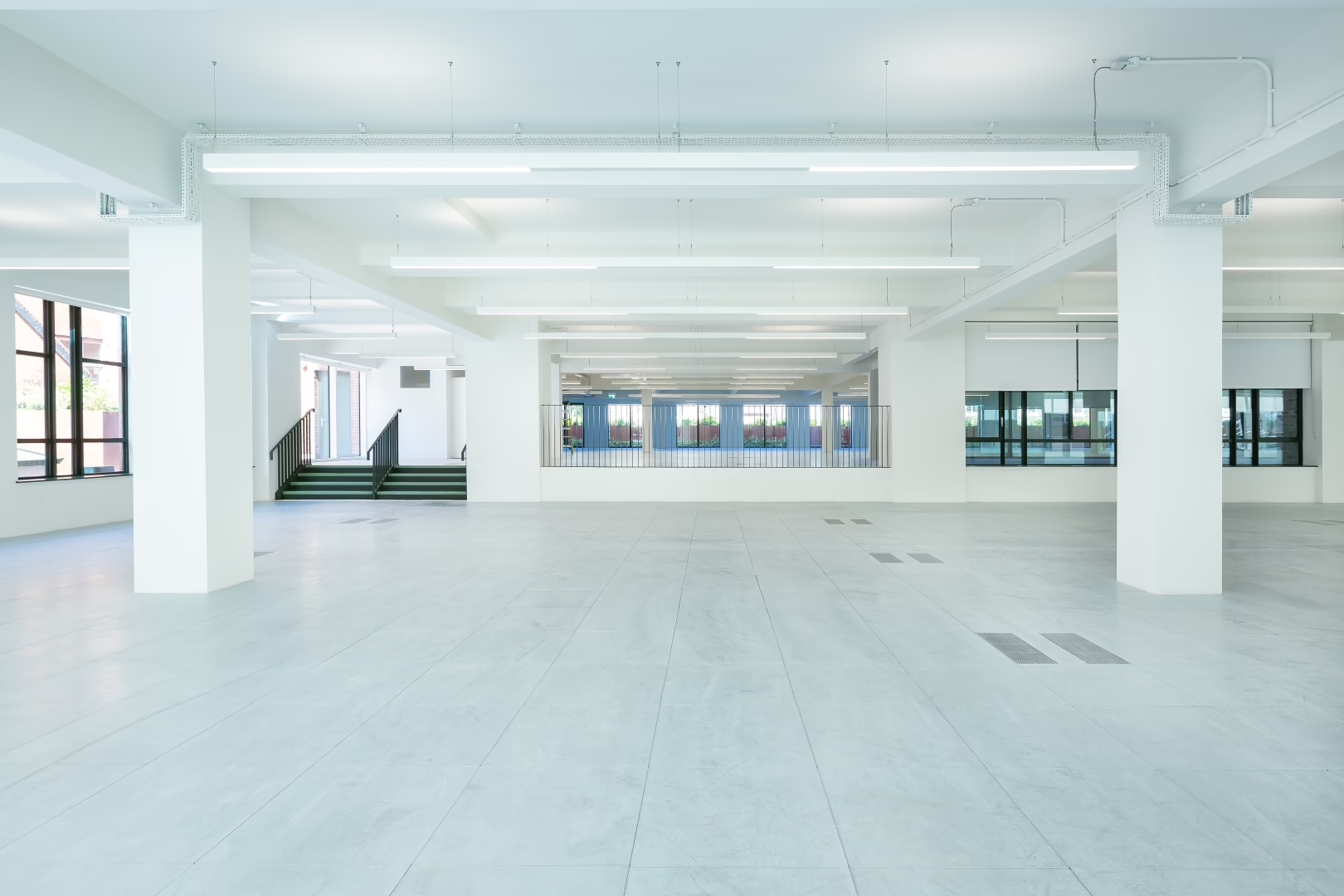
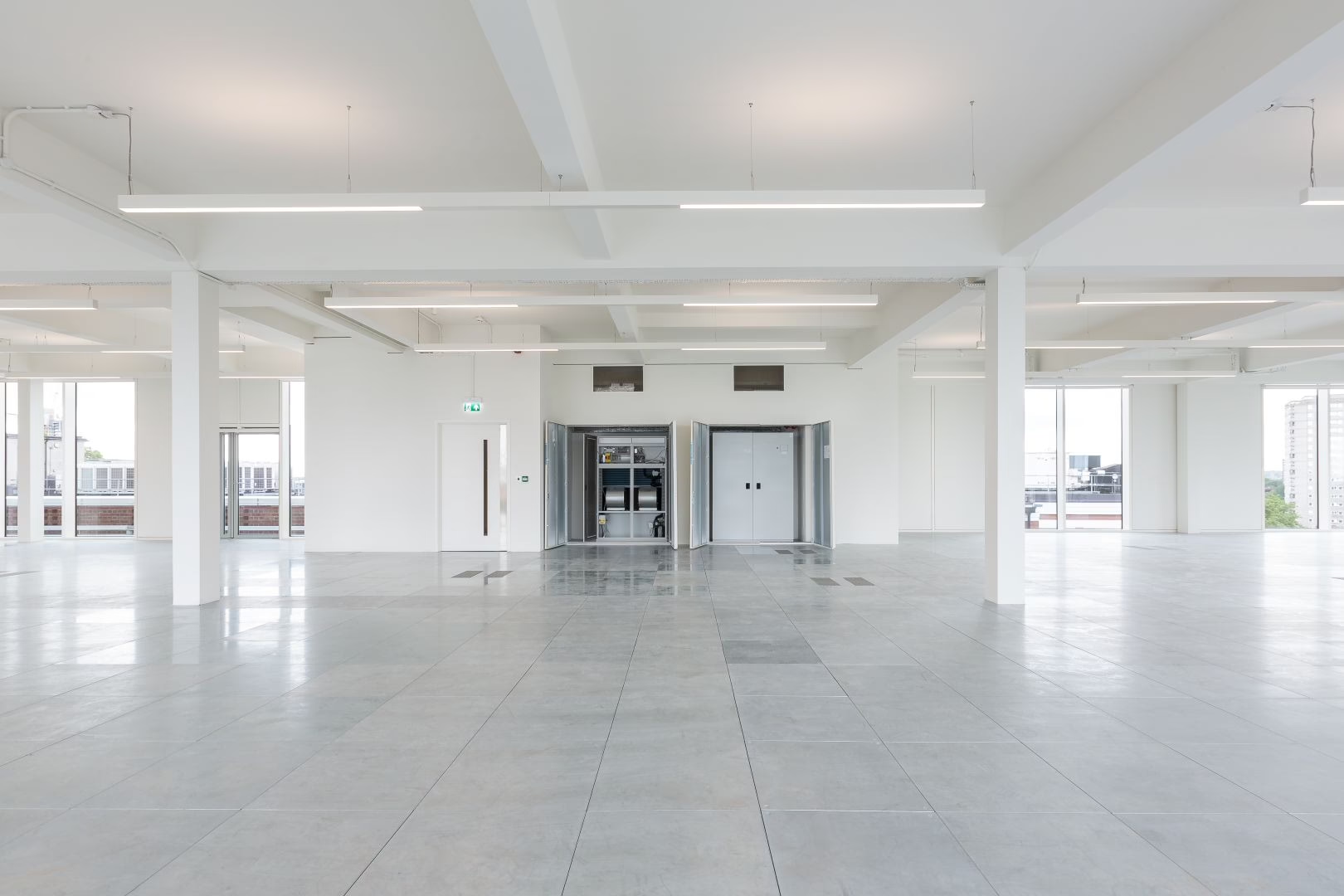
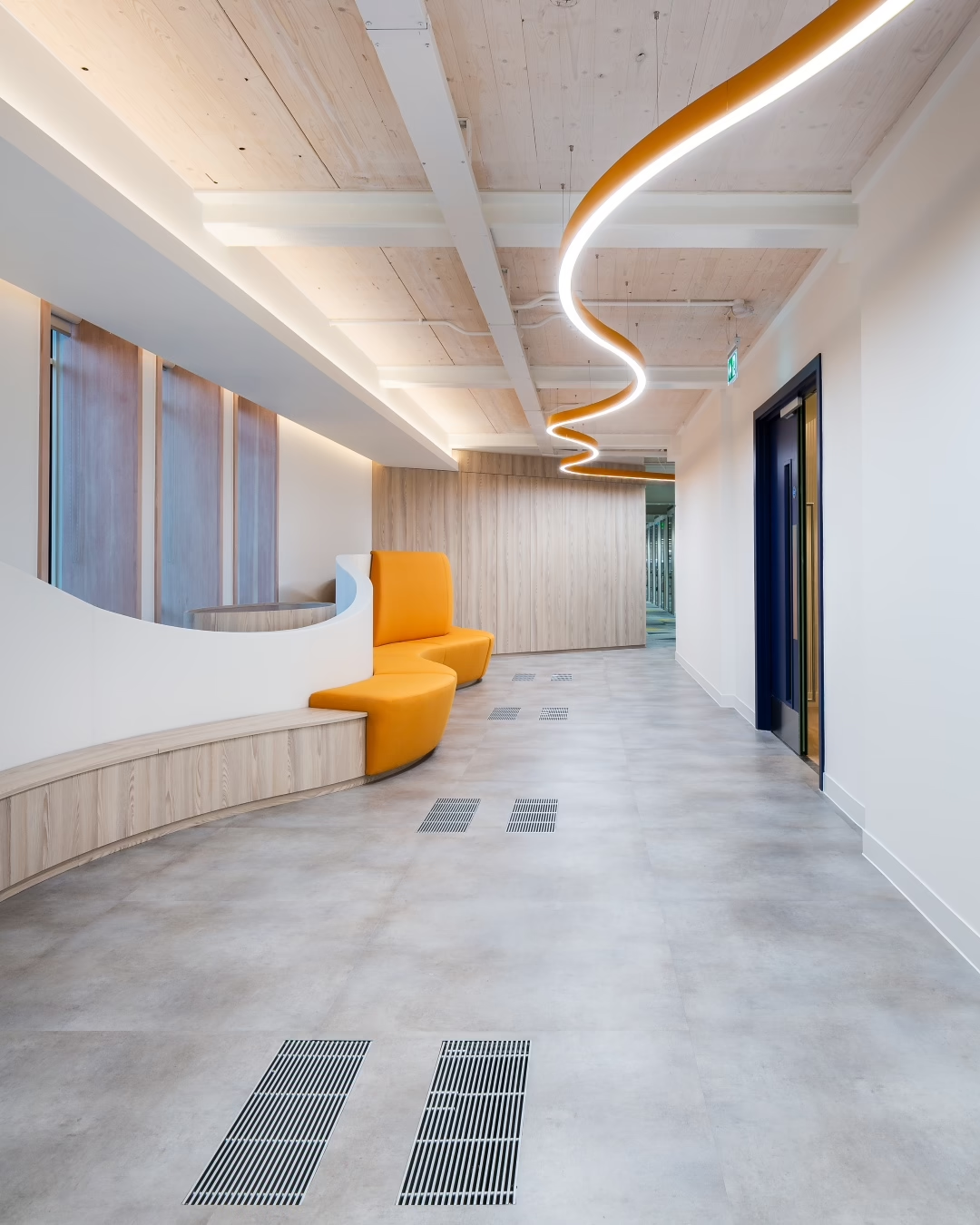
By removing the requirement for deep ceiling voids, underfloor air conditioning can help maximise floor-to-ceiling heights by up to 20%, creating brighter, more open workplace environments while supporting exposed soffits and preserving architectural character.

The study also highlights how UfAC systems can support the repurposing of ageing buildings, helping address obsolescence while enabling simpler CAT—B reconfiguration and reducing disruption when workplace layouts evolve.

In short, refurbishment projects can benefit from greater flexibility, enhanced wellbeing and measurable carbon and energy performance — all within a future-ready building strategy

New-build projects: building smarter from the ground up

For new-build office developments, the impact goes far beyond HVAC performance alone.

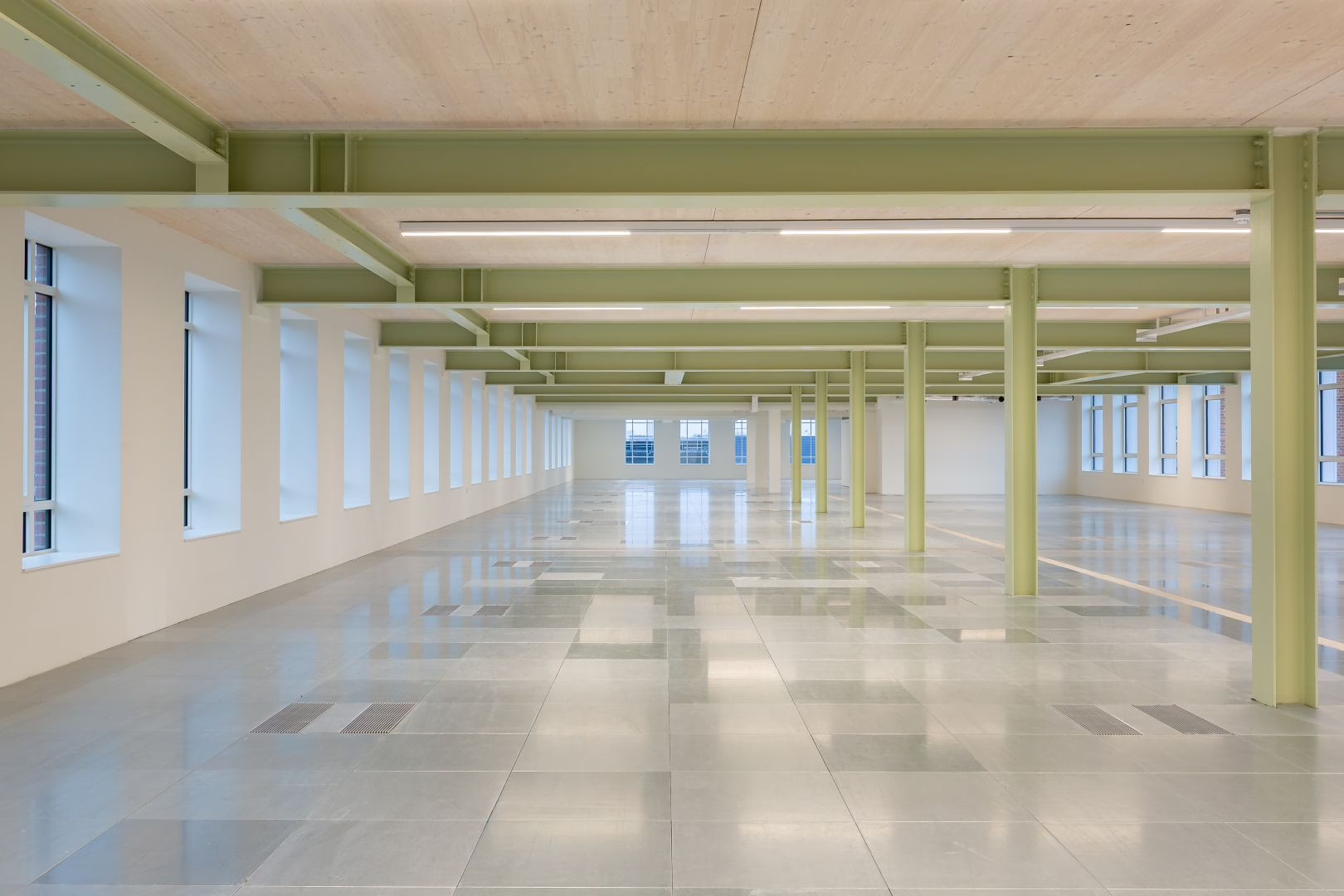
The study demonstrates that reduced service zone requirements can contribute to slab-to-slab height reductions of up to 14%, helping reduce structural and façade quantities while maintaining generous floor-to-ceiling heights. In some scenarios, this can even enable the construction of an additional office floor for every eight floors within the same overall building height.

Higly upfront costs savings

The findings also point to significant upfront cost savings, with potential reductions of around £1.7m on a typical 10-storey office building, alongside measurable embodied carbon reductions through reduced material demand.

For developers, investors and project teams, the conversation shifts from selecting a HVAC system to designing for whole-building performance, future flexibility and long-term asset value.

HVAC Study Comparison

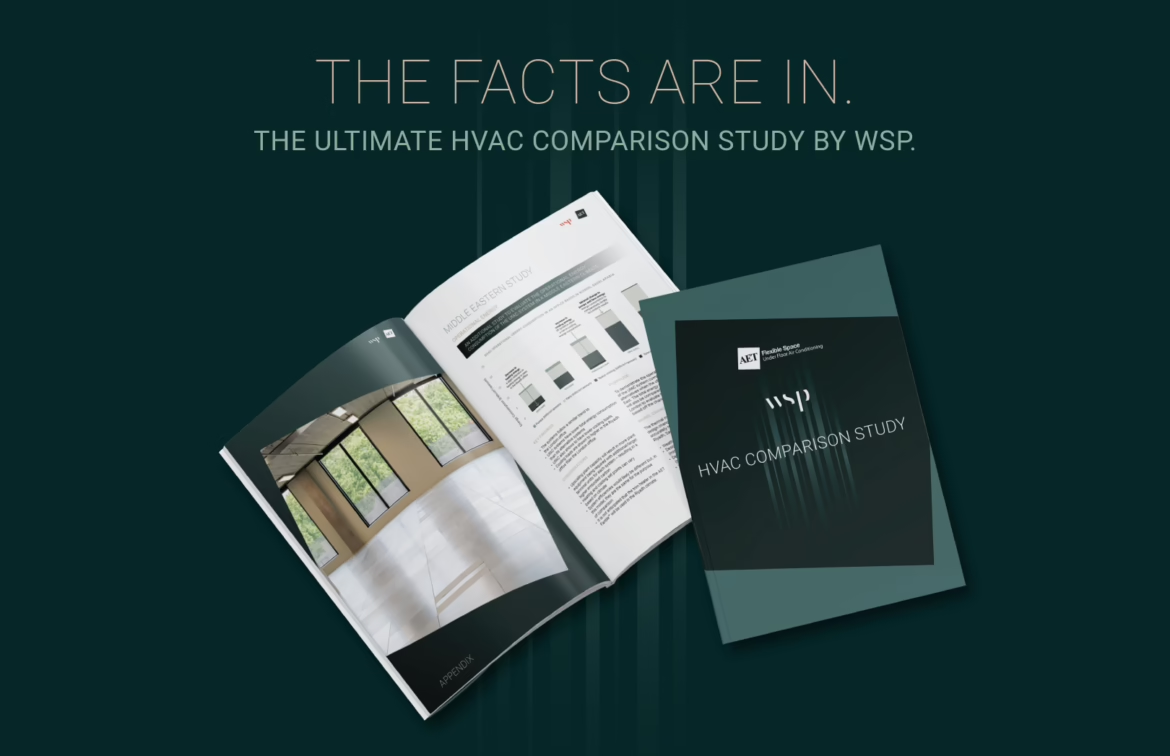
Access the HVAC Comparison Study by WSP

Want to explore the findings in more detail?

Our complimentary HVAC Comparison Study, developed with WSP, is now available to download — comparing underfloor air conditioning against traditional ceiling-based HVAC systems across carbon, energy, cost and whole-life performance.

Access your complimentary copy today and discover how UfAC can support both comfort and ESG performance.

THE FACTS ARE IN.